What does the public reaction to Charlie Kirk’s death tell us about the culture of politics in 2025?
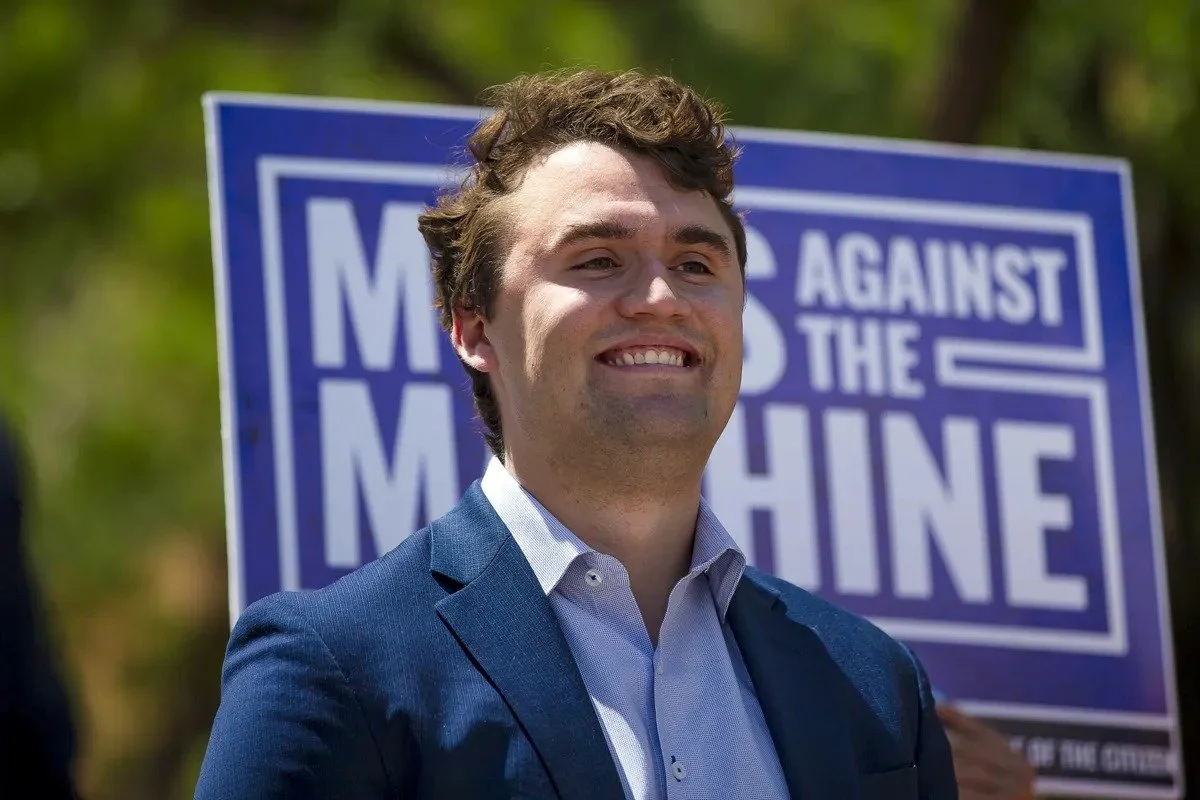
The assassination of conservative activist Charlie Kirk on September 10, 2025, has elicited a profound and often emotional response throughout the world, highlighting the significant role that political identity, media landscapes, and cultural divides play in shaping public discourse. Kirk, the founder of Turning Point USA and a significant figure in youth-oriented conservative politics, was tragically shot and killed during a speaking engagement at Utah Valley University. The assassination of a prominent political leader on a university campus, traditionally viewed as a space for discussion and the exchange of ideas, has reverberated through conservative and liberal communities alike. The reaction to his passing, emerging through social media, news outlets, and public memorials, provides a significant insight into the environment of American political life in 2025.
In the wake of Kirk’s passing, conservatives responded with swift and profound sorrow. Supporters have characterised him as a vigorous proponent of free expression, a guiding figure for emerging activists, and an emblem of a new wave of right-leaning leadership that boldly confronts cultural institutions. Numerous conservatives characterised the assassination as not just an act of violence, but as an assault on the wider conservative movement as a whole. Political allies have underscored his significant contribution to fostering youth engagement, highlighting his readiness to address perceived ideological disparities on college campuses, and stressing the critical need to persist in his efforts. In the subsequent days, memorial gatherings nationwide attracted thousands of attendees, with many holding signs that advocated for unity, justice, and a strengthened dedication to safeguarding political expression. Kirk’s death has emerged as a significant symbol for many on the right, highlighting enduring worries regarding the perceived hostility directed at conservative perspectives within academic and cultural arenas.
The responses from liberal and progressive circles showcased a diverse range of opinions, highlighting the intricate and frequently divisive legacy that Kirk has established. Critics of his political approach have expressed their condolences while condemning the use of violence. They emphasise that ideological disagreements should never serve as a justification for harm. Some individuals, however, concentrated on the controversies that characterised segments of his career, ranging from his notably confrontational rhetorical approach to his involvement in the intensification of political tensions on campus. Although open expressions of joy regarding his passing were infrequent and met with significant backlash, discussions on social media regarding the effects of his activism were prominent. Many questioned whether his methods played a role in fostering the divisive atmosphere that currently defines American politics. The varying responses highlight a significant reality: in the current climate of intense partisanship, public figures are frequently seen more as representations of ideological identity rather than as individuals whose contributions can be assessed without regard to political ties.
The current media landscape, characterised by unprecedented fragmentation, has significantly influenced public reaction and interpretation. Conservative media characterised the assassination as a significant national tragedy, highlighting its deep implications for political freedom and public safety. Several commentators have linked the event to what they perceive as a growing animosity towards conservative discourse, especially among younger demographics and university settings. Reports from various media outlets highlighted the ongoing investigation into the incident, focusing on the suspect’s background and the wider implications of political violence. The disparities in media coverage have resulted in a split-screen effect, as Americans engage with parallel narratives influenced by their chosen media environments. In a time characterised by the rapid dissemination of information through social networks, whether accurate or not, these narratives solidified swiftly, allowing scant opportunity for communal interpretation or collective grieving.
The passing of Kirk underscores the growing volatility at the crossroads of politics and the digital landscape. In the aftermath of the shooting, online platforms emerged as arenas for conflicting narratives, as supporters voiced their grief and anger, while opponents entered into discussions regarding Kirk’s political strategies. Misinformation spread swiftly, leading fact-checkers and officials to release clarifying statements. The rapid and fervent response observed online underscores the extent to which politics has infiltrated everyday existence, illustrating how swiftly public tragedies can transform into platforms for partisan discourse. The emotional weight of Kirk’s passing indicates a significant intertwining of political and personal identities, resulting in a public discourse that is increasingly tense and less tolerant.
The immediate shock has given way to a public reaction that sheds light on the broader trends influencing the political landscape. In a notable trend, Americans are increasingly viewing events through the prism of political identity, frequently prior to the complete facts being established. The erosion of tolerance for nuance is becoming increasingly evident, as individuals such as Kirk are swiftly categorised as either heroes or villains, contingent upon their political affiliations. The response from the right demonstrates a notable level of internal cohesion, with conservatives uniting around themes of solidarity, vulnerability, and a revitalised sense of purpose. The reaction highlights the degree to which political violence, previously regarded as an anomaly, is now perceived as a troubling indication of a divided society grappling with profound ideological divides.
As investigations unfold and the political landscape grapples with the ramifications of Kirk’s passing, the response to this tragedy has underscored a significant reality: the fabric of American politics in 2025 is shaped as much by emotion, symbolism, and identity as it is by policy and discourse. The tragic death of Charlie Kirk has sparked a significant public reaction, highlighting the alarming reality that the political rifts within the nation are deepening and becoming more pronounced. This situation underscores the urgent need for a collective dedication to fostering civility, ensuring safety, and promoting genuine dialogue across differing ideological perspectives.
Image courtesy of The New York Times, ©2025. Some rights reserved.