EU-Japan Relations Under Prime Minister Takaichi: Opportunities Amid Uncertainty
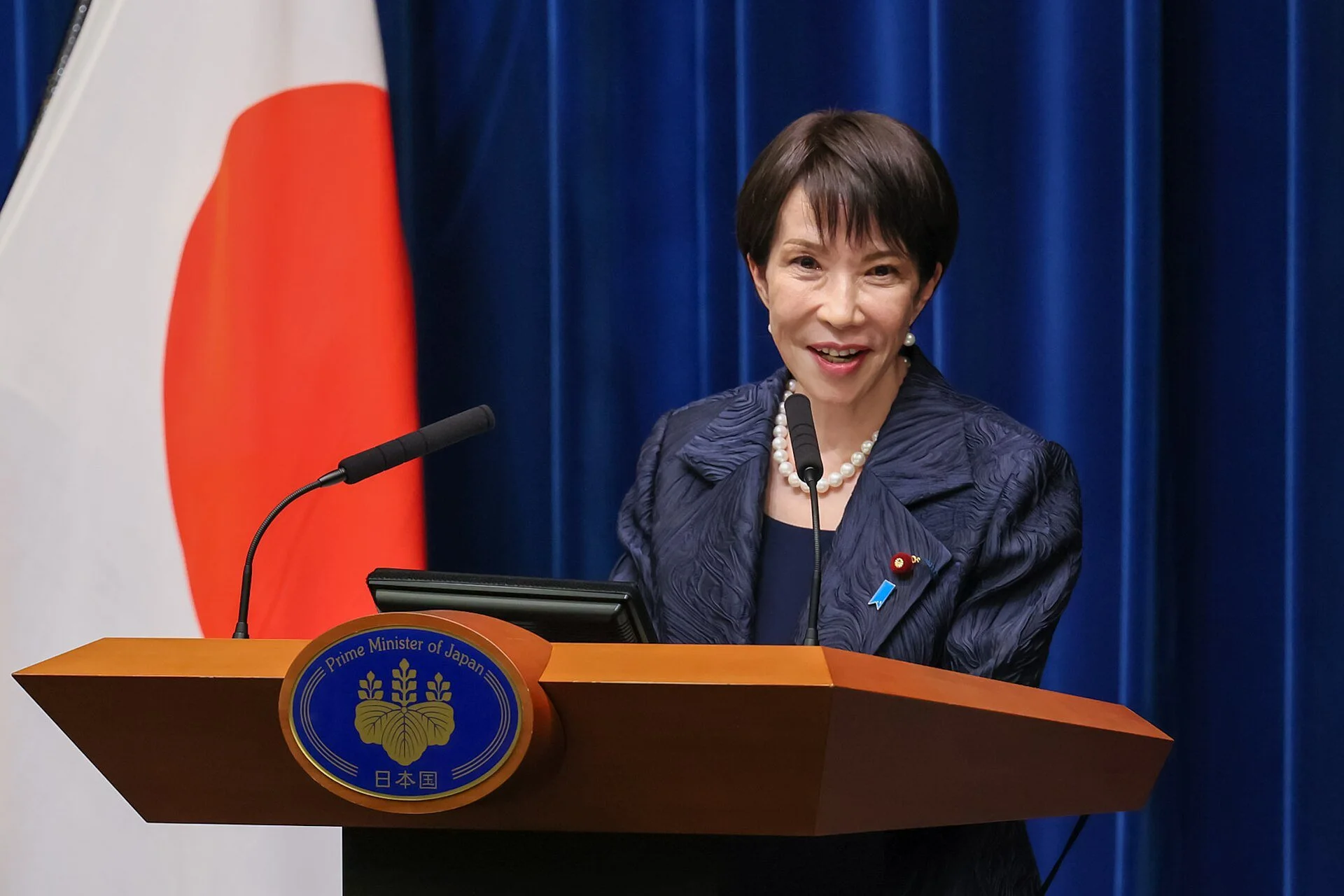
The election of Sanae Takaichi as Prime Minister of Japan in October 2025 marked a decisive rightward shift in Japanese politics away from the moderate centrism of Yoshihide Suga, Fumio Kishida, and Shigeru Ishiba towards the assertive and controversial politics of former Prime Minister, and Takaichi's mentor, Shinzo Abe. Whilst Takaichi's conservative alignment with President Trump, assertive foreign policy, and hawkish tendencies initially appear threatening to EU-Japan relations, her premiership actually presents the EU with unprecedented opportunities for deeper partnership via the enhancement of bilateral trade, the aligning of diplomatic policy, and the development of further military cooperation initiatives.
Economically, the EU can capitalise on Takaichi’s close relationship with Trump to enhance bilateral trade. On the surface, it can be argued that Takaichi's close relationship with Trump has the potential to diminish EU-Japan relations, as the close alliance between the two leaders seems to point to the US receiving preferential treatment at the expense of the EU. Indeed, when Trump visited Tokyo in November, the two leaders announced a bilateral agreement regarding joint stockpiles of rare earths, lithium, and cobalt—an agreement which, as Katharina-Elli Pohlkamp points out, could overshadow a similar agreement between the EU and Japan, with Tokyo's stockpiles subsequently becoming split. However, on a deeper level, this relationship actually has the possibility to elevate the EU-Japan trade relationship by positioning Japan in a place where they are actually able to offer the EU a much more equal partnership.
As Glosserman argues, in a foreign policy sphere where the Trump administration faces considerable international skepticism, officials may perceive Takaichi as an ally thanks to her shared conservative values. Consequently, the administration may be less willing to impose demands on the Japanese government due to the risk of alienation, allowing Japan to gain more agency in terms of trade and foreign policy—precisely what Takaichi champions. With this in mind, Japan, who sees the EU as their third-biggest trade partner behind the US and China, and who themselves are still suffering from American tariffs on Japanese imports, may see the EU as the most viable option to navigate the economic constraints of Trump’s tariffs whilst simultaneously maintaining positive relations with Washington, thereby stimulating EU-Japan trade relations. Furthermore, the volatility imposed by Trump's tariffs may also lead Takaichi to pursue increased supply-chain resilience between the EU and Japan under the Japan-EU competitiveness alliance.
On the diplomatic front, the combination of Takaichi’s assertive style of foreign policy with Japan’s traditional commitment to the pursuit of a rules-based global order will no doubt accelerate the diplomatic ties between Japan and the EU. In contrast to the moderate approach of Suga, Kishida, and Ishiba, Takaichi demonstrates a “firebrand” style of foreign policy emulating that of her mentor, the late Shinzo Abe, as exemplified by her remarks regarding the defence of Taiwan. Although controversial, this approach could have positive implications for EU-Japan diplomatic ties when considering Japan’s traditional alignment with the pursuit of a rules-based liberal international global order. In recent years, this approach has been characterised by the “Free and Open Indo-Pacific” Strategy first championed by Abe in 2016, which seeks to “build bonds with like-minded nations” regarding diplomacy and cooperation, and subsequently contributed to many of the frameworks for EU-Japan cooperation, including the EU-Japan Strategic Partnership. As a mentee of Abe, Takaichi has sought to continue this strategy, and whilst her predecessors in Suga, Kishida and Ishiba have also maintained the positive relations created with the EU as a result of this policy, Takaichi’s confrontational political style will no doubt accelerate and enhance the diplomatic alignment between Japan and the EU. This has already come to fruition, with Takaichi’s hostility to Russia over the Sakhalin islands contributing to Japan pledging their continued support to Ukraine via joining the Coalition of the Willing, illustrating an alignment of EU-Japan foreign policy against Russia.
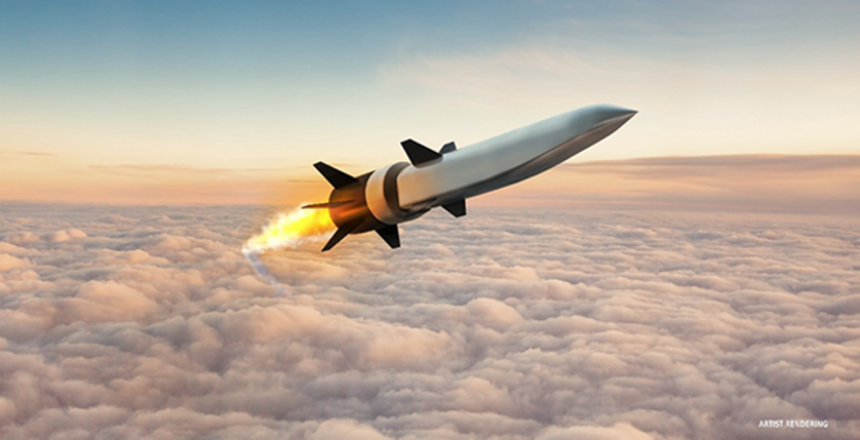
With the US shying away from the rules-based order via the coup in Venezuela and hostilities over Greenland, China and Russia will no doubt capitalise on this to advance their own military objectives in Taiwan and Ukraine respectively. These conditions have backed both the EU and Japan into a corner, as not only is there the imminent threat of military aggression, but they can no longer safely rely on US military assistance; as such, it will become necessary for the EU and Japan to both develop their military capabilities to ensure their own security, likely in collaboration with one another via the 2024 Japan-EU Security and Defence Partnership. However, whilst the nature of Japanese military buildup is often controversial, and Suga, Kishida and Ishiba all strayed away from the topic, Takaichi’s warhawk attitude has led her to take a strong stance on defence, accelerating to expand the military budget to 2% of Japan’s GDP and an increased investment into drone and UAV technology. With the existence of the aforementioned partnership, Takaichi’s plans for the expansion of the JSDF will no doubt involve increased military cooperation with the EU via undergoing defense-industry dialogue, coordinating joint maritime security and hybrid threat initiatives, and establishing the Security of Information Agreement.
While Takaichi's election initially appears to signal a challenging period for EU-Japan relations given her conservative ideology and close alignment with Trump, a closer examination reveals that her premiership may paradoxically strengthen the partnership between Brussels and Tokyo. The very factors that seem threatening—her relationship with Washington, her assertive foreign policy stance, and her hawkish military posture—actually create conditions conducive to deeper EU-Japan cooperation. Economically, Japan's desire to hedge against American unpredictability may drive Tokyo toward enhanced trade relations with the EU through existing frameworks like the EPA and competitiveness alliance. Diplomatically, Takaichi's continuation of Abe's "Free and Open Indo-Pacific" strategy, combined with her confrontational approach to shared adversaries like Russia, aligns naturally with European interests in maintaining the rules-based international order. Most significantly, the deteriorating reliability of American security commitments under Trump compels both the EU and Japan to pursue greater military self-sufficiency, making their 2024 Security and Defence Partnership not merely symbolic but strategically essential. Rather than viewing Takaichi's conservative turn as an obstacle, European policymakers should recognise it as an opening—one that transforms EU-Japan relations from a partnership of convenience into one of mutual necessity. The question is no longer whether the EU and Japan will deepen their cooperation under Takaichi's leadership, but rather how effectively they can capitalise on this moment to build a more resilient and independent partnership capable of navigating an increasingly uncertain global landscape.
Image courtesy of the Cabinet Secretariat (内閣官房) © 2026. Some rights reserved.
The views and opinions expressed in this article are those of the author and do not necessarily reflect those of the wider St Andrews Foreign Affairs Review team.