Post-Davos and Munich: Reconceptualizing the Transatlantic Alliance
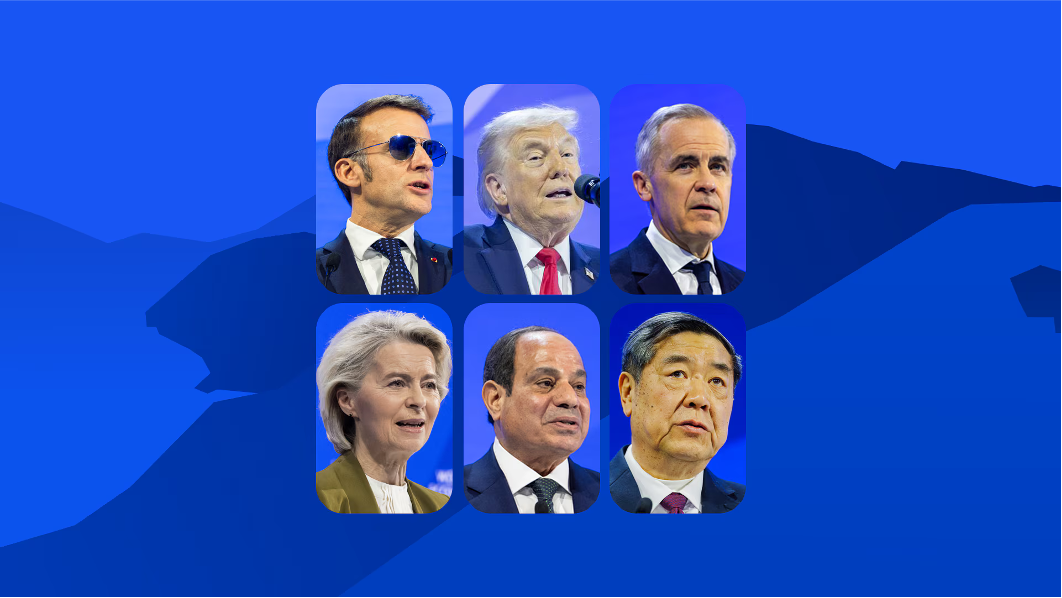
With global leaders taking the stage at both Davos and Munich within the past month, citizens and politicians alike have been left to grapple with the ideas and perspectives expressed from the podium. Across both forums, one of the most prominent topics of discussion has been the evolving character of the transatlantic alliance. Providing a framework that advocates for multilateralism, economic cooperation, democratic norms, and liberal institutions, the transatlantic alliance has been instrumental in shaping the international system since the end of the Second World War. Today, however, challenges to this alliance are raising significant questions not only for the actors who govern it, but also for those who live in the world governed by it. Chief amongst these challenges are the shifting perspectives and narratives amongst member states regarding the nature of the alliance and the roles they play within it.
Canadian Prime Minister Mark Carney’s special address at the World Economic Forum, held at Davos, exemplifies how members of the transatlantic alliance are beginning to reconceptualize what the alliance is, what it is meant to be, and their part in it. At its core, Mark Carney’s speech argued that the so-called “rules-based order,” has long functioned as a convenient fiction treated as reality. By challenging the validity of the international order, Carney implicates a challenge to the validity of the mechanisms through which the order has been advanced, mechanisms such as the transatlantic alliance. If an unjust order is upheld through mechanisms, what is the likelihood of those mechanisms themselves being unjust? Carney argues from a point of pessimism: “You cannot live within the lie of mutual benefit through integration, when integration becomes the source of your subordination.”
Recent economic tensions within the transatlantic alliance offer a clear example of the kind of integration Mark Carney warned against. What is often presented as cooperation has, in practice, enabled subordination—nowhere more clearly than in the Trump administration’s use of tariffs as instruments of political coercion. The clearest illustration of how the Trump administration’s tariff strategy violated the spirit of the transatlantic alliance was its willingness to wield economic pressure against Greenlandic sovereignty. Unless a deal for “The Complete and Total purchase of Greenland” was achieved, Trump threatened to impose an up to 25% tariff on “any and all goods” being imported from not only Denmark, but other EU members such as Norway, Sweden, France, Germany, the UK, and Finland. In addition to these threats, the Trump administration framed its goals as being in service to the well-being of Europe: “Europe ought to focus on the war with Russia and Ukraine … That’s what Europe should focus on – not Greenland.” Coercing one’s supposed allies into a trade war that places sovereignty and economic security at stake, while claiming the moral high ground, reveals how the integration that most of the world once took as inherent to the international system, can easily delve into a hierarchy reflective of hegemonic power and interest.
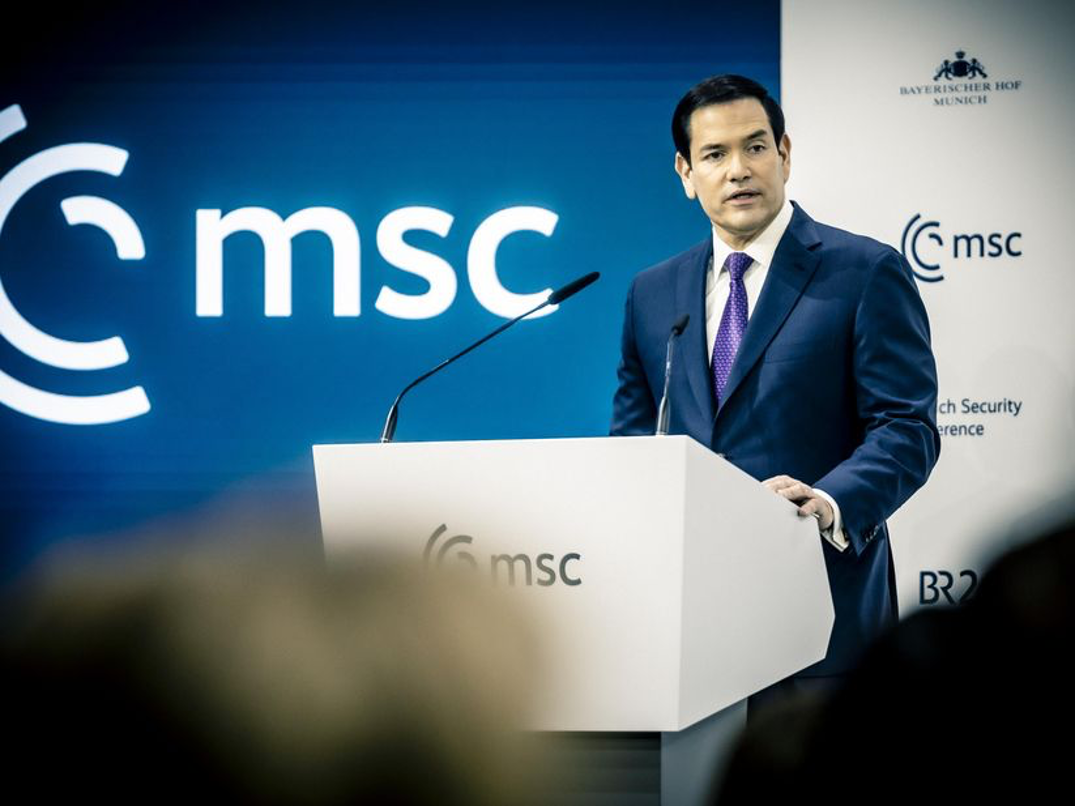
The growing fracture in how leaders understand their place within the transatlantic alliance was on full display this month, laid bare by the contrast between Prime Minister Mark Carney’s address in Davos and Secretary of State Marco Rubio’s remarks at the Munich Security Conference. Like Carney, Rubio cast doubt on the alliance as it exists today. While stopping short of calling for its abandonment, he framed the transatlantic project as fundamentally broken, something that, in his words, “must be reformed … must be rebuilt.” What makes Rubio’s diagnosis so striking is its irony. He locates the alliance’s failure in the very principles that once sustained it: free trade and liberal institutionalism. Where Carney found great power corrupting alliance principles, Rubio finds alliance principles corrupting great power. Carney’s reconceptualization of the transatlantic alliance imagines a system in which middle power actors cooperate to restrain the rise and influence of the powerful. Rubio’s reconceptualization is Carney’s antithesis: it rejects the notion of an alliance as limiting, instead calling for an alliance which “does not allow its power to be outsourced, constrained, or subordinated to systems beyond its control.”
How should we understand the transatlantic alliance post Davos and Munich? Where does the truth lie: is it in the words of Prime Minister Carney or in the remarks of Secretary Rubio? Is it somewhere in between? Perhaps it is in neither of those three options. As with so much in international politics, our understanding of the alliance is not neutral but shaped by who we are and where we stand. For decades, the international community has tried to smooth over these differences with the language of collectivism and the fiction of the “global citizen.” Yet the widening gap between the lofty rhetoric displayed by PM Carney at the World Economic Forum and the realpolitik on display by Secretary Rubio at the Munich Security Conference, exposed just how fragile that aspiration remains. What is presented as a shared vision too often collapses under the weight of diverging interests and unresolved power asymmetries.