Geo-political: Behind COP30 Tensions and Climate Politics
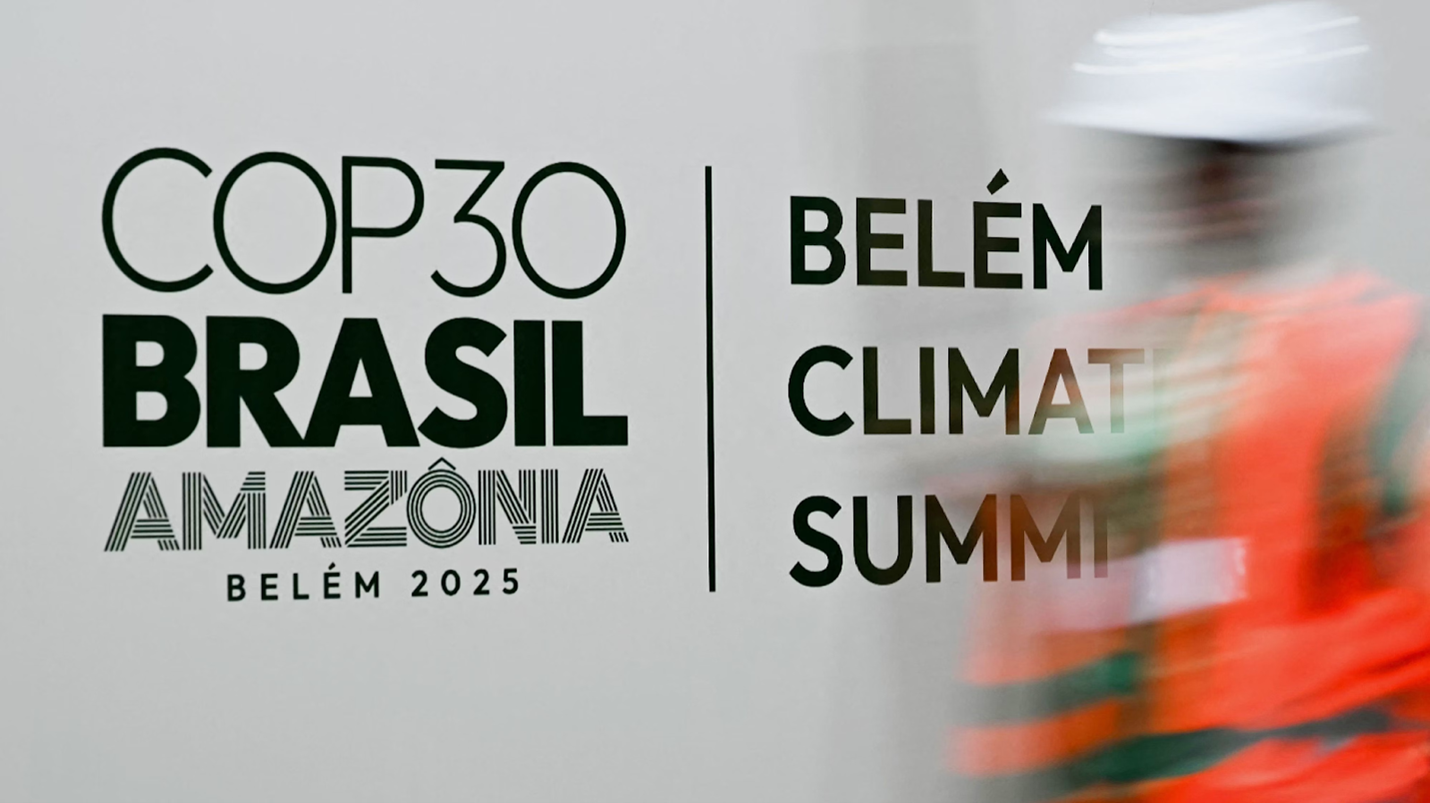
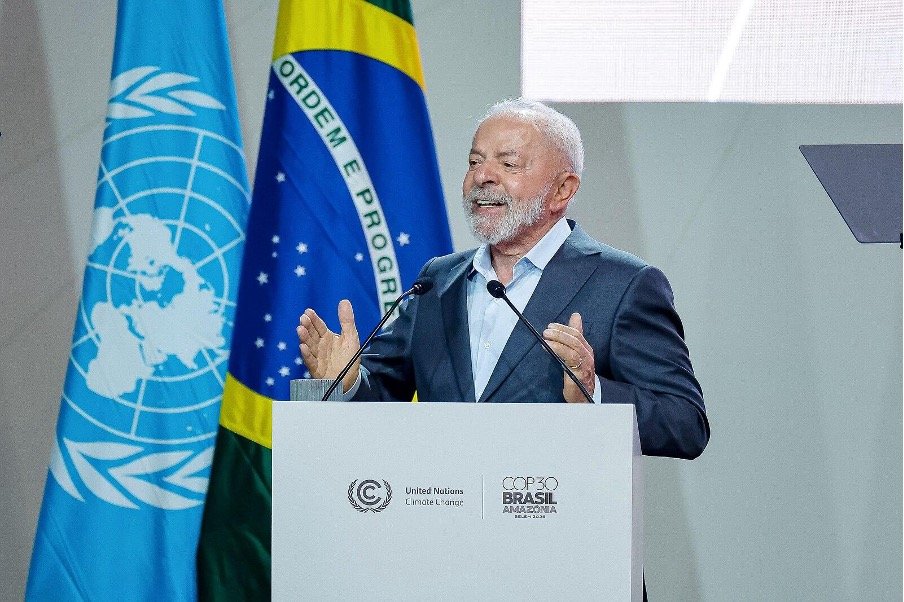
COP30 opened on Monday, 10 November 2025 to great anticipation. UN climate chief Simon Stiell’s key message - “Your job here is not to fight one another – your job here is to fight this climate crisis, together … This is the growth story of the 21st century – the economic transformation of our age.” It is undeniable that political tensions and climate anxiety are growing hand-in-hand, yet recent scholarship and news avoids the possibility that the two could be linked. In fact, they are so interconnected in the modern world that it is almost impossible to draw the two apart in any argument.
COP30 aims to resolidify global partnerships and collaboration to tackle the climate crisis and build frameworks to continue this work in the future. It has been billed as a turning point in geopolitics, a test of global solidarity in the face of emergency. This builds on the Paris Agreement of COP21 in 2015, when states pledged to keep global warming at a limit of 1.5°C.
However, the scale of change needed to tackle the climate crisis is astronomical: the UN calculates that states need to invest $1.3trillion globally in climate investments each year until 2035 in order to stop the risk of breaching the temperature rise limit. The current state of the agreement could partially be attributed to the fact that action agendas at COPs are built on voluntary pledges rather than binding law, resulting in almost an honour code of individual states’ operations.
Stiell warned, “No national plan can solve this problem on its own … It makes neither economic nor political sense to stand idle while catastrophic droughts destroy crops and drive food prices sky-high.” The tensions surrounding climate change are beginning to rapidly conflate with political rivalries, driving global dynamics to new standings.
As a result of climate tensions, new geopolitical threats are emerging surrounding monopoly power on energy and resource extraction as hegemons battle to gain control over power sources. States greatly affected by climate change are thus more likely to be involved in political and ESG (economic, social, and governance) tensions.
This growing climate risk is destabilising ESG and increasing the toll of the already scarce resources and impeding a direct line to safe political communication, raising new obstacles in the face of geopolitics and conflict management. This ceaselessness of conflict thus impacts both individuals and states in their ability to manage their communities and interact with the global order.
Think tank ODI Global raise, “Climate change indirectly undermines peace and stability by exacerbating factors that can ultimately lead to violence and a deterioration of national and international security.” This is accelerating the Anthropocene into a “doom loop” as the climate and politics are driving each other on a downward spiral, making it seem impossible that these issues may ever get fixed.
However, with the spotlight of COP30 on these issues, it seems more possible that this inexorable obstacle can be shifted. Geopolitical tensions could be manipulated to facilitate climate action, such as through increasing interest in climate finance, clean technology, and highlighting the sustainable development goals to tackle environmental conflicts as they arise. The bond that COP30 draws between climate issues and policy is setting a strong course to build greater security in developing areas, creating a centre for action from all sides in order to concentrate solutions to the wide range of issues affecting vulnerable states.
This can also allow great powers to sway these new advantages for economic gain, supporting their own interest and incentivising further climate action. The rivalries that stem from this create an imbalance of roles within the Congress of Parties, meaning that major emitters and diplomatic powers are more relied on than ever to follow through on their promises. When approached well and duly honoured, the “doom loop” of competition and antagonism could be leveraged to drive each other towards hope.
In the current political sphere, the phrases “climate anxiety” and “state of emergency” are frequent to pass the lips of anyone who watches the news. Inter-state tensions are so driven by current climate statistics and vice versa that the two have become unspokenly synonymous. UNDP Acting Administrator Haoliang Xu said, “Addressing such complex and interrelated issues requires holistic, cross-sectoral solutions that are adequately funded and implemented with urgency … As we look to COP30, we carry forward a message of hope and cooperation. We know what works and can continue to support the populations and countries in need.” Whilst – at time of writing – COP30 has not yet concluded, if each state contributes their interest and skills, the heat of climate issues might simmer down.