What Foreign Aid Cuts Mean for the Future of UK Diplomacy
In 1824, one of Britain’s first Foreign Secretaries said of his mission: “I called the New World into existence to redress the balance of the Old.”
After its defeat in the American Revolutionary War, the Empire recognized the need to restructure its diplomatic efforts, and better coordinate international diplomacy, domestic policy, and colonial affairs. These were amalgamated within one governmental body: the Foreign Office. The organization led Britain into the “new world” during the subsequent centuries, navigating a time of global convergence and great social change. 243 years ago, the Foreign Office had thirteen employees; now, as of 2025, what is now known as the Foreign Commonwealth and Development Office (FCDO) has over 17,000, and a global network of 281 offices.
The FCDO’s contemporary mission involves “tackling the great global challenges… which directly threaten British interests.” Delivering aid to 91 countries, it functions as an engine of the UK’s soft power, exerting global influence through a number of means. By funding aid programs, supporting democracy, promoting education, engaging in counter terrorism and responding to crises, the FCDO builds trust and moral authority that strengthen Britain’s voice in international institutions like the UN. It also embeds its culture and values into the countries it helps develop. These efforts create long-term relationships and shape global narratives in ways that military or economic power cannot.
The department was previously allocated 0.5% of the UK’s total budget. That number has since been slashed to 0.3%, a decrease of £6BN. The largest chunk of this money has been gouged from the overseas aid budget. Staff is also being reduced by up to 25%.
“We’re committed,” said the FCDO in a press release, “to modernising our approach with less money, and working with our partners in new ways to maximise our impact and provide value for money to taxpayers.”
On one hand, critics lambaste foreign aid cuts as “morally indefensible.” On the other hand, as cost-of-living crises intensify and domestic politics grow fractious, electorates are questioning why money is being spent abroad. “It is hard,” writes Mark Miller, senior research associate at ODI Global, “to have confidence in UK promises to ‘create a world free of poverty on a liveable planet’ when the government is finding it difficult enough to reduce waiting lists in British hospitals.”
The FCDO’s money is not, however, being reallocated towards citizens in need, but rather towards inflating the defence budget to the tune of an additional £6.4B. “We've all known that this decision has been coming for three years,” said Prime Minister Keir Starmer, “since the beginning of the conflict in Ukraine.” He urged European allies to follow Britain’s lead as the world enters a “dangerous new era.”
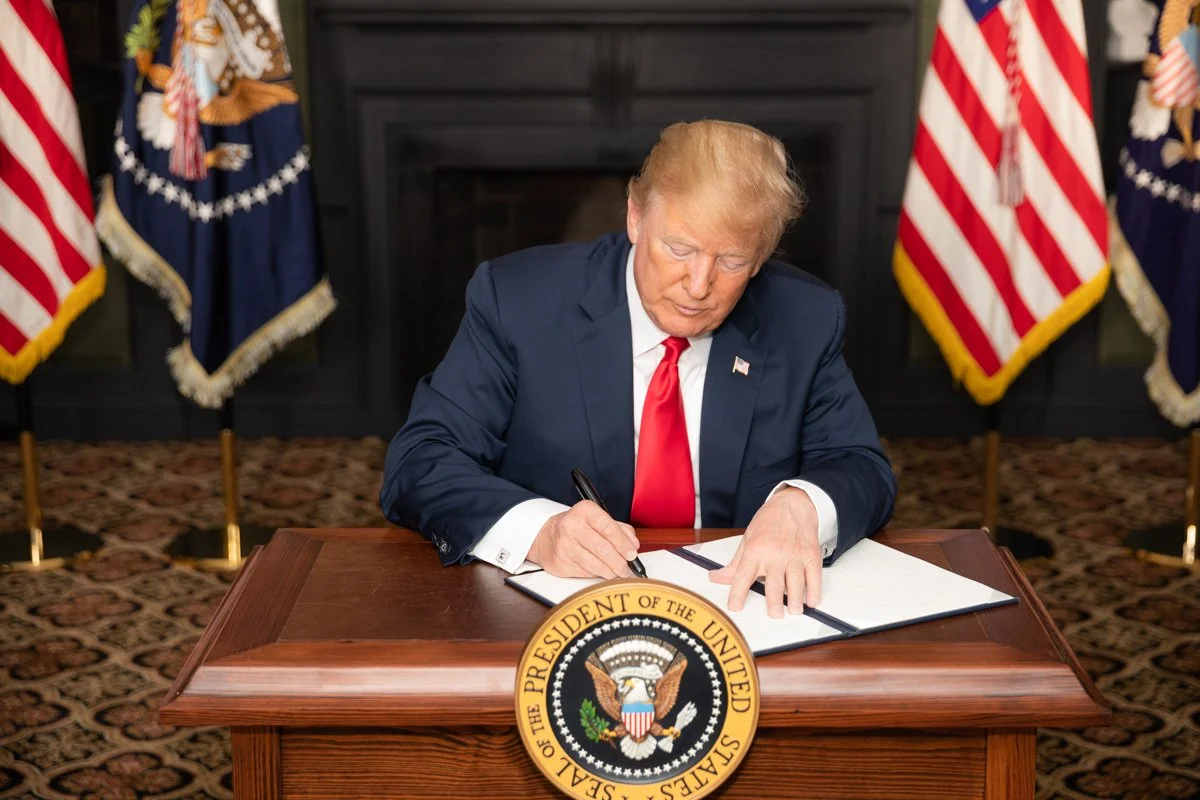
This pivot has parallels in the America First doctrine of Donald Trump’s administration, particularly the dismantling of USAID. While the slogans differ–the UK’s post-Brexit Global Britain, the EU’s Strategic Autonomy, and the Trump administration’s America First–the underlying message is similar. As the influence of IGOs such as the UN continues to weaken, governments across the West are retreating from the expansive, idealistic aid agendas that once defined post-war liberal internationalism in favour of interest-driven foreign policy with an emphasis on militarization.
Critics warn that the FCDO cuts signify a gradual erosion of Britain’s world power status. China has been increasing its funding of UN peacekeeping; Russia is continuing to exert influence in Africa and the Middle East by veiling its military intervention in civil wars as peacekeeping operations. Britain’s retreat from diplomacy and development could alter the institutional balance that has historically upheld neoliberal diplomatic norms. In a world where great power competition is increasing, reductions in UK development and diplomatic spending may give others more space to assert their influence over global development and international bodies.
The UN is as much about perception as power, and the perception that Britain is retreating from global development undermines its moral authority. When the UK advocates for global cooperation on issues like conflict prevention or climate change, its credibility depends on its willingness to invest in those very causes. Reductions in foreign aid send a signal to other nations, especially in the Global South, that Britain’s commitment to shared prosperity is waning.
Dame Emily Thornberry, Chair of the Foreign Affairs Committee, voiced her concerns regarding how the cuts impacted the UN in an era of global political instability and polarization. “Never has the world needed the Security Council more. And never has it been weaker… Britain plays a crucial role in the Security Council. We are concerned that important work may be threatened by cuts to the Foreign Office.”
Along with the security Council’s weakening influence, rising great powers such as the UAE, Singapore, and the BRICS bloc have little interest in engaging with the soft-power diplomatic games that defined the Western order. They expand their influence through transactions. Their intentions are clear and built around investment, resource access, and technology transfer, rather than embedded within their development models, conditional aid packages, and governance reform.
China’s Belt and Road Initiative, for example, has supplanted many Western aid programs in Africa and Asia, not through charity but through infrastructure and debt diplomacy. Russia, meanwhile, uses energy and security partnerships as leverage, particularly in the Middle East. The Gulf states project influence through capital and media. In this emerging order, development is no longer an exercise of influencing social development and spreading cultural ideals, but a competitive geopolitical instrument.
Western powers, facing fiscal constraints and political fatigue, now find themselves outmaneuvered in regions they once dominated through aid and values-based diplomacy. As soft power recedes and hard power resurfaces, a “new world” is once again emerging, in which global politics risk fracturing into spheres of interest, echoing 19th-century geopolitics under the guise of 21st-century globalization.
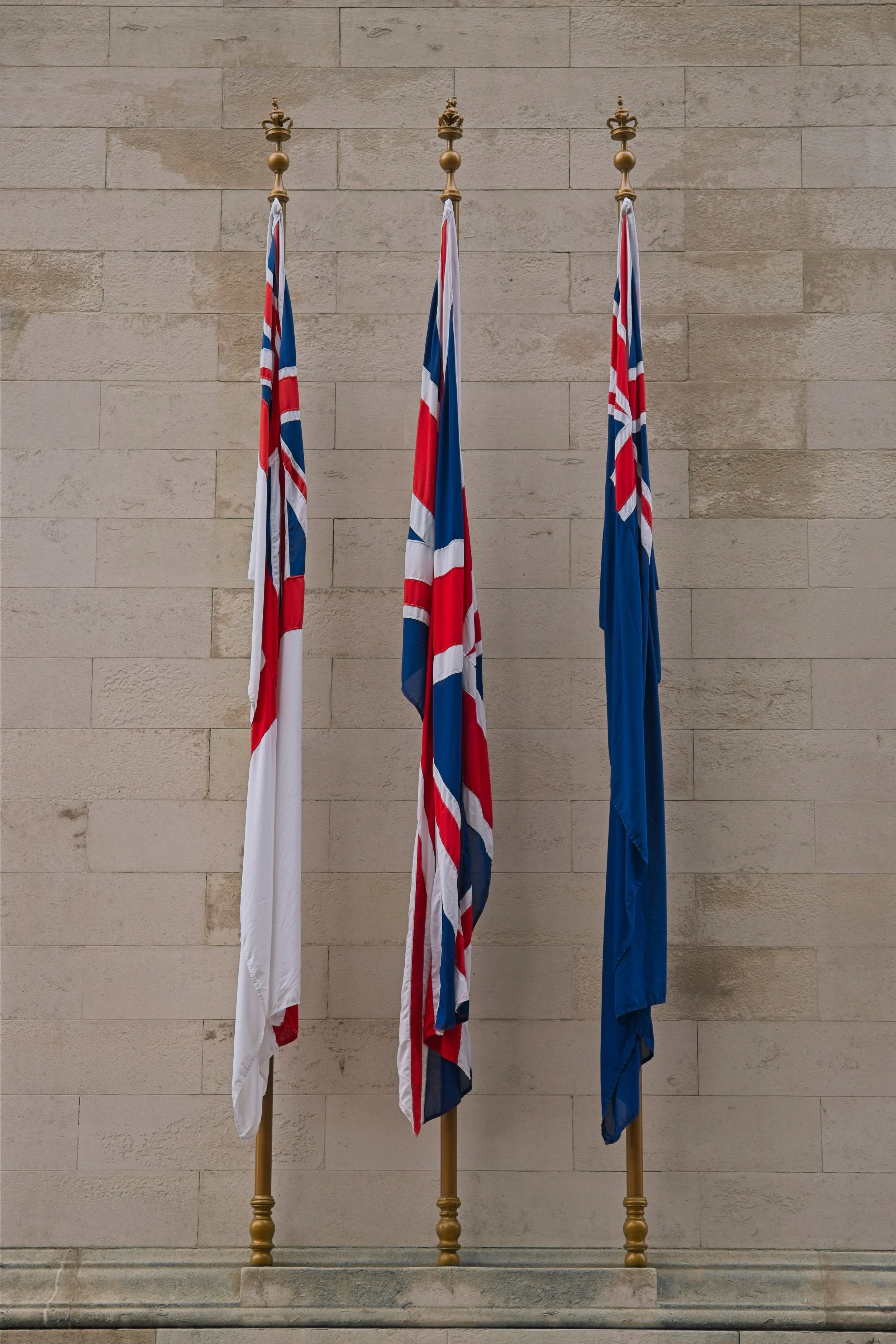
Image courtesy of Alexander Psiuk via Unsplash, ©2024. Some rights reserved.
The views and opinions expressed in this article are those of the author and do not necessarily reflect those of the wider St Andrews Foreign Affairs Review team.