The Grand Egyptian Museum and Egypt’s International Rise
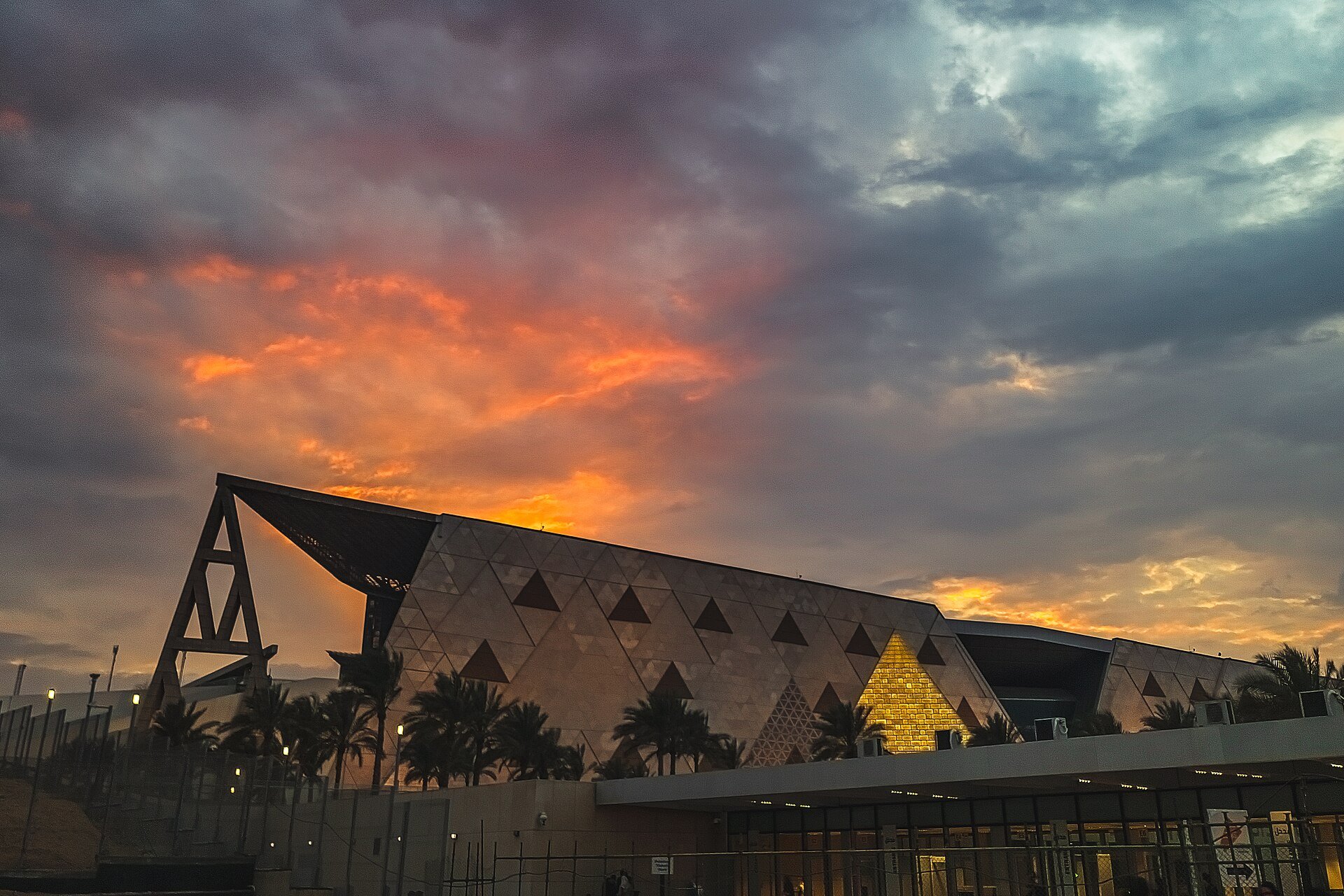
The Grand Egyptian Museum opened to the public on November 4, 2025 after two decades of construction. Costing around £910 million and located just across from the Pyramids of Giza, the massive complex holds 100,000 precious historical artifacts. With its opening, the Grand Egyptian Museum became the world’s largest archeological facility dedicated to a single civilization, an ode to the grandeur of Egypt’s long history.
In the first week of its opening, the GEM saw an average of 19,000 visitors each day. Assuming tourist levels remain this high, the museum will be on track to hit 6.9 million annual visitors. Such a robust turnout is significant as it places the GEM in competition with the world’s most visited museums including the Louvre in Paris, the Vatican Museums in Vatican City, the British Museum in London, and the Metropolitan Museum of Art in New York City. Notably, the museums listed here, globally renowned as essential hubs of culture, are all located in Europe and the United States.
Consequently, the size and scale of the GEM production holds significance not only for Egypt itself but also for other countries of the Middle East and the ‘non-Western’ world. Today, there remains a ‘Western’ monopoly on cultural and civilizational leadership, promoted by mainstream dialogues on the subject. The pedestal given to ‘Western’ culture, largely created through the history of colonization, has further allowed museums to advertise artifacts stolen from other parts of the world as central displays in their exhibits.
Understandably then, repatriation efforts have been a central agenda of the GEM project. In one widely publicized case, the US government returned 36 artifacts to the Egyptian government earlier this year. However, despite such efforts to return ancient treasures, there are still many that remain scattered around the world, promptingEgyptians and art scholars to call for the return of some of the most famous ancient Egyptian artifacts.
Such efforts in conjunction with the overall opening of the museum can be seen as a forceful declaration of autonomy by the Egyptian state. The GEM has allowed Egyptians to reclaim their history, demonstrate the wealth of their heritage, and assert that their history and identity are theirs and theirs alone to control. Evidently, the museum is a symbol of soft power meant to put Egypt in cultural competition with current global powers who have so often sidelined and exploited non-Western heritage for their own gain.
It is important to point out that the museum’s opening is also a crucial economic move. In recent years, the Egyptian economy has been struggling, placing the government and civilians under stress. Historically the Egyptian economy has relied heavily on tourism which has contributed to the decline as regional safety concerns have reduced tourist travel to the country. The opening of the massive and modern GEM which has been so widely advertised can therefore be seen as an economic strategy. Egyptians hope that the museum will continue to draw foreign investment as well as drastically increase tourism to the country, aiming to give the economy a much needed boost.
The museum’s grand opening has also come at a time when Egypt is seemingly positioning itself as a more assertive international actor. In recent months, Egypt has held a prominent place in international news as they took a leadership role in brokering peace in Gaza. Centrally in collaboration with the US, the Egyptians hosted the Sharam el-Sheikh peace summit in October where an agreement to end the Israeli-Palestinian war was signed. Their leadership in Gaza has been accompanied by moves to take a role in ending conflict in Sudan and Lebanon, as well as numerous meetings with other regional states and international organizations to further Egypt’s international relationships. Egypt is therefore attempting to reach a more prominent position on the world stage. Alongside more traditional diplomatic moves, the GEM opening is a powerful flex of soft power which has put Egypt in global headlines.
In summary, the opening of the Grand Egyptian Museum symbolizes another notable move by Egypt to gain attention internationally. The country is evidently aiming to leverage its robust history to advance their global position. Having been featured in so many recent headlines it will be interesting to see what Egyptians do next and whether they successfully reposition themselves as not only a regional leader but a key global actor.
Image courtesy of Mohamed Usrii via Wikimedia, ©2024. Some rights reserved.
The views and opinions expressed in this article are those of the author and do not necessarily reflect those of the wider St Andrews Foreign Affairs Review team.