Sportswashing: Buzzword or Boycott?
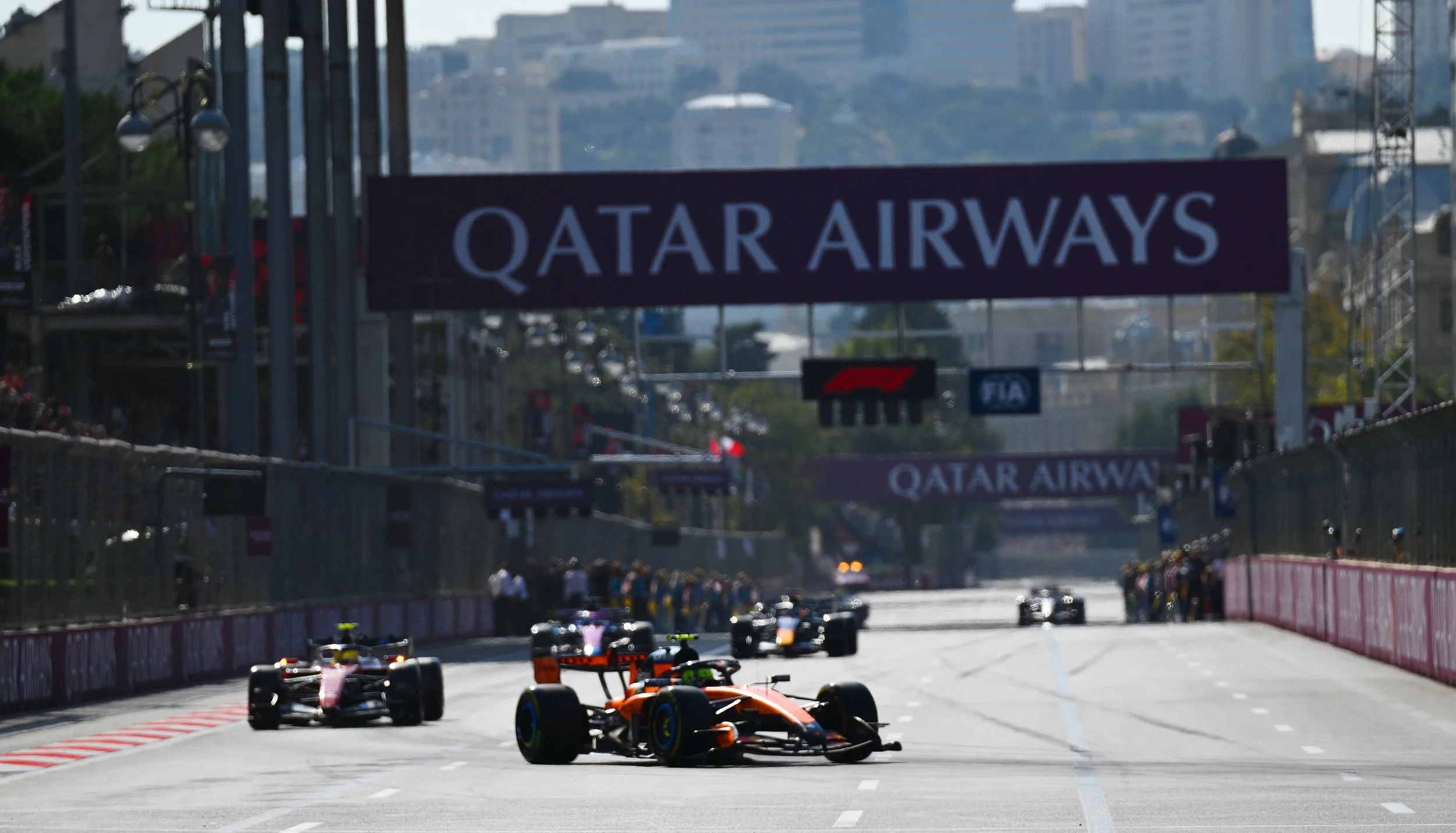
Fans of sports from Western countries have no doubt noticed in the past years that countries and companies in r non-Western states have become involved in their pastimes. For example, many European soccer clubs are now owned by Gulf states, sovereign wealth funds have stakes or even ownership in Formula One teams like McLaren and Audi, and so important was the Formula One race to Bahrain that the organizers rescheduled the race to be ‘hosted’ by Malaysia while still being called the “Bahrain Grand Prix when many Middle East races were canceled due to the ongoing conflict in Iran.
Given the cultural differences between Western countries and the Middle East, one could ask why countries like Qatar and Bahrain are now so involved in Western sport. Is it cultural exchange, rich people seeking another boondoggle, or something less benign?
Sportswashing
The term ‘sportswashing’ has popped up more and more in the past decade as Western commentators examine the involvement of non-Western states in Western sports. The 2022 Qatar World Cup was mired especially by complaints that the country was trying to make itself palatable to world audiences in spite of Qatar's less than stellar record with human rights abuses, with many calling to question the labor practices within the country that built the infrastructure needed for the World Cup.
To sportwash is, according to proponents of the term, to associate one’s self, one’s company, or one’s country with the positive image fans around the world have of sports in spite of “controversy or scandal”. Human Rights Watch (HRW) has been especially critical of sportswashing. For example HRW criticized Azerbaijan hosting the 2015 European Games, claiming that the Azerbaijan government was trying to show itself as being “progressive” despite the country’s crackdown on opposition and independent media. A decade later and Human Rights Watch still beats the drum of sportswashing, arguing that the governing bodies of Formula One should do more to address the human rights concerns in many of the countries that host races and openly denouncing Saudi Arabia’s successful bid to host the 2034 FIFA World Cup.
It isn’t just organizations like Human Rights Watch that bring up Sportswashing. Western media such as The Guardian have targeted Aramco’s involvement in World Cups, and Aston Villa Football Club has been warned by the BCC that their “sponsorship deal with Visit Rwanda will be used by the nation to sportswash its human rights record.”
Clearly, sportswashing is on the minds of Western media and NGOs, but is it in the minds of the fans? The 2022 World Cup in Qatar was the most profitable World Cup at the time, as was the 2025 Formula One season. Does this mean that sports fans have been tricked and authoritarian states are profiting both culturally and economically off of western audiences, or do fans just not care enough to put an economic dent in sports which have been growing in popularity?
What do academics say?
Sportswashing as a term first started popping up in the media in the mid 2010s, but scholars appear to have been slow to truly examine the phenomenon of sportswashing. A 2023 article by Michael Skey claims that there had been “limited academic discussion of the term and certainly no sustained analysis of what it might or might not offer to sports scholars.” Still, scholars have commented enough on the topic for there to be multiple points of view. Skey points to the ‘soft power’ benefits of hosting and doing well at international sporting events. There is prestige associated with hosting a world cup or an olympics, and that prestige can be used by countries to frame themselves in a certain way to both domestic and international audiences. An article by Fruh et al. has taken a more critical tact towards sportswashing, arguing that sportswashing makes innocent audiences complicit in the perpetration of abuses and that Western audiences and governments should therefore resist sportswashing by refusing to participate in events in authoritarian countries.
Other scholars have, however, noted that “It takes two to tango.” Enterprises like FIFA and Western corporations benefit economically from hosting major sporting events, and these events would not be available to non-democratic countries without the involvement and encouragement of western capitalism and democracy. However, though western states are affording opportunities for authoritarian states to gain soft power and prestige along with the economic benefits, the inability of these states to effectively control western media means that these events are often mired in controversy. As the media attention surrounding the Qatar 2022 World Cup showed, Qatar’s image arguably worsened as they not only had a bunch of attention drawn to their human rights abuses, they were seen by some audiences as attempting to cover up these abuses with sports. Though sportswashing has captivated headlines in the media, it is unclear how it can be effective on the world stage. Soft power like a nation’s image is hard to control when a nation doesn’t control how its image is presented by the media. Audiences may not be boycotting events held by authoritarian states, but that isn’t because they are being tricked into ignoring human rights abuses. Most fans only care that their team, club, or country wins, and if they pay attention to anything besides that at a sportswashing event, they are more likely to see the negative media coverage than anything else. The concerns raised by sportswashing seem to assume that fans do not already separate sports from their politics; yet just because someone roots for their country in the world cup does not mean that they agree with every part of their country’s government’s agenda.
If the pursuit of soft power is so fraught, why do authoritarian states continue to get themselves involved in Western sporting events? Is it just economics or is there something else at play?
Benefits and Skeletons For Everyone
With non-western states getting so involved in Western sports, so have non-western players. Muslim players playing for teams owned by Gulf states combat Islamophobia in Western states and give non-Western fans stars to root for. If football is the most popular game around the world and Western leagues are seen as the pinnacle of these sports, it makes sense that non-western states would want to be involved in Western leagues to give domestic audiences teams and players to follow.
In motorsport, sponsors often play a technological role in the teams they sponsor, so state-owned companies like Saudi-owned Aramco would want to be involved with a Formula 1 team like Aston Martin for the same reason UK-based Shell wants to be involved with Ferrari. It is fair to ask why should prestige and development only be afforded to Western companies?
It is hard for any Western commentator to seriously criticise a non-Western state for pursuing economic and technological gain when western states are the anchor point for the world’s economic system. So much money can be gained from Western sports ventures because Western states have put so much money into them, often pursuing the soft power that the media seems to be so frightened of non-Westerned states having. Also, Western states aren’t free of scandals, abuses, and other things that they might want to distract audiences from. Scholars such as Jules Boykoff argue that the term sportswashing shouldn’t just be applied to non-western states because sports allow any state to increase their prestige and potentially distract from controversy. It seems hypocritical to target non-Western states for doing the same thing Western states do.
Everyone is Complicit
Should people be concerned about how Middle Eastern and other non-Western and non-democratic states keep getting involved in Western sports? Maybe. But ‘sportswashing’, if it is a real phenomenon, seems to be more a symptom of global politics and economics than a cause of coverups. People, companies, and countries in the west should be concerned about human-rights abuses anywhere in the world; however, it seems unfair to be critical only of non-western states for putting money into sources of prestige when western companies and states do the same. The pursuit of economic gain and technological development cannot really be criticized by the West, and even if non-Western states are trying to sportswash, they don’t seem to actually be gainingd real soft power by hosting these events. Though there is merit to investigating the soft power implications of hosting sporting events, there does not seem to be much to sportswashing other than it being a buzzword attached to real complaints about human rights abuses whenever the Western world decides to turn its attention to a non-western country.
Image courtesy of The Press Service of the President of the Republic of Azerbaijan via Wikimedia Commons, ©2026. Some rights reserved.
The views and opinions expressed in this article are those of the author and do not necessarily reflect those of the wider St Andrews Foreign Affairs Review team.