
Sea, Spies, and Cyber: The UK in the ‘Grey Zone’
Britain is at war. Not your standard ‘kinetic’ or ‘conventional’ war with direct armed forces action (Ukraine), featuring state militaries armed to the teeth with firepower blowing each other to bits – alas, British shores are safe from naval invasions for the time being. Rather, it is a war fought behind the scenes: the sea, underground spy networks, and covert sabotage, both through software and hardware. Britain is at war; it is just that that war is being fought via keyboards instead of cannons, unseen by British civilians.
Of course, this war is not reserved to the UK. From attempts to manipulate democracies and plans to hide bombs on international flights, to a railway explosion in Poland, hostile drone incursions, and undersea cable sabotage in the Baltic Sea – Russia is increasingly pursuing grey zone warfare to destabilise Europe. While stark warnings of potential Russian invasions into NATO from German and French generals provoke alarm, Britain suffers from a hollowed-out military, unprepared for trials to come.
Military issues aside, the UK is still particularly vulnerable. Britain, an island, is dependent on imports, undersea cables and pipes for data and energy. What’s more, there is a disturbing lack of awareness of this grey zone war, amongst civilians, due to the pervading notion that Britain is secure and the armed forces are effective. The ambiguity produced by grey zone incidents feeds into this false sense of security. Britain is in a far worse position than most citizens think, and Sir Kier Starmer’s pledge to commit British troops to Ukraine in the event of a peace agreement is not aiding the public’s conception of reality (only 7,500 troops would be available for such a monumental commitment). So, since the reality of the UK’s security situation is hazy, the grey zone requires some demystifying.
What is the grey zone?
From the outset, the term grey zone is vague, and, no doubt, readers will have heard the term in use. However, such vagueness diminishes the UK’s ability to respond: how can policymakers, intelligence officers, and cyber experts produce effective strategies against British adversaries if – by the definition set by the Atlantic Council – the very war they are fighting is defined as ‘between peace and war’? Oscar Jonsson, writing for Chatham House, further illuminates the dangers of the term: policymakers and government officials have been led by a false complacency; the term implies that nothing can be done since events do not meet the threshold for action. The grey zone is not new per se; Russia, particularly, has been practicing the art for years. And, international law necessitates that ‘war’ itself is no longer an apt term, rather, ‘Special Military Operation’ or ‘Military Intervention’ are preferred.
Nevertheless, a narrower conception is offered by the UK government’s 5th report from their Defence in the grey zone committee: coercive activities that “…fall below perceived thresholds for military action and across areas of responsibility of different parts of the government”. RAND Europe highlights diplomatic, information, military, and economic (DIME) as the most prominent factors to leverage against enemies in a grey zone conflict. These factors mostly manifest in Britain’s sea, spy, and cyber domains.
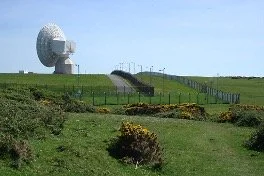
Image courtesy of Tony Atkin via Wikimedia Commons, ©2010. Some rights reserved
How does the grey zone manifest?
Definitional debates aside, what is most important is an appreciation for how widespread the grey zone spans – the UK lies in a dangerous shadow – and which events, in recent years, have punctuated the grey zone to show how this war is manifesting in society.
The North Sea is particularly grey. Anyone familiar with a Scarborough beach day is accustomed with this notion, however it is also part of Russia’s efforts to isolate and threaten the UK. Russia’s naval activity around the UK has increased by 30% in two years, prompting the Royal Navy to send a Carrier Strike Group to the North Atlantic. While overt Russian naval vessels have been monitored by the Royal Navy and RAF, covert Russian ships also lurk in the grey zone. For instance, a Russian spy ship was found and escorted away from a critical area of undersea energy and cable lines, in the Irish Sea. What’s more, Russian sensors, attempting to spy on British nuclear submarines, have been found hidden in surrounding British waters.
Undersea data cables and gas pipelines have been highlighted as an important issue in the UK’s Strategic Defence Review 2025, as 95% of global data to the UK relies on undersea cables, with 77% of the UK’s gas imports in 2021 arriving via undersea pipeline from Norway. Essentially, the UK is increasingly vulnerable to seaborn threats, depending on imports and providing a gateway of connectivity to Europe; if the cables are cut, serious societal and economic consequences would follow. Given the fact that Russia has sabotaged at least 11 internet cables in the Baltic Sea in the past 15 months, the UK government should be more than concerned.
Russian spies are also permeating operations throughout the UK, with the MI5 increasing their surveillance of state-linked individuals by 35% from 2024 to 2025. Via a ‘gig economy’ ran on digital platforms and apps, Russia is hiring proxy agents in the UK to commit acts of sabotage. There are many examples of what this sabotage entails. Several Russian intelligence informants have been arrested and a spy ring neutralised, Russian-linked Telegram channels have been encouraging Londoners to attack Mosques, and Russian proxies have set ablaze a Ukrainian-owned warehouse, and are suspected to be behind the attempted arson attack on Sir Keir Starmer’s home. Such proxy tactics offer Russia ‘plausible deniability’ and leave the UK and other governments without tangible ways to respond.
Cyber attacks also present a grey area in the grey zone.
Russian-assisted cyber attacks on British businesses are disrupting the UK economy. Heathrow airport was hit by a cyber disruption, and a Russian hacker group accessed UK websites linked to councils, the police, and crime commissioners. To put these cyber offensives into perspective, the UK government’s publication on the subject found that the average cost of a significant cyber attack on a UK business is almost £200,000. Which, when scaled to an annual UK cost, amounts to £14.7 billion. M&S, for example, took major profit hits when a cyber attack breached their systems, after the hackers posed as third-party contractors.
What’s more, Britain’s state intelligence capabilities are dated, and are unable to oppose the encrypted messaging pathways that Russia abuses. With four ‘nationally significant’ cyber attacks being fought by GCHQ every week, it is only a matter of time before British businesses and essential services are compromised in a major way.
Already, civil society has experienced serious Russian disinformation campaigns, with delicate polarizing issues, such as the 2016 Brexit referendum, being exploited. This attempt to destabilize UK civil society shows just how holistic grey zone warfare permeates power structures, straddling the lines between soft and hard power (grey power?).
Is There Hope?
So, the grey zone does appear bleak as Russia tightens their virtual grip over vital British infrastructure and services. However, there are ways the UK can seek betterment.
RFA Proteus, the Royal Navy’s dedicated surveillance vessel, is an essential asset to combatting grey zone warfare at sea. Currently, the Proteus is the only surveillance-ready ship, unable to provide the necessary protection of Britain’s undersea infrastructure which surrounds the island. Therefore, the Royal Navy needs more surveillance-capable ships, and especially ones fit for warzones, unlike the Proteus.
Other sea surveillance hardware is also on offer, and could save the UK government time and money, when compared to building stand-alone ships. For example, the SeaCat autonomous vehicle is a cost-effective solution to search for undersea sabotage. The laying of sea mines is also in question, given Russia’s naval presence in British waters, and would have Putin think twice about abusing international law.
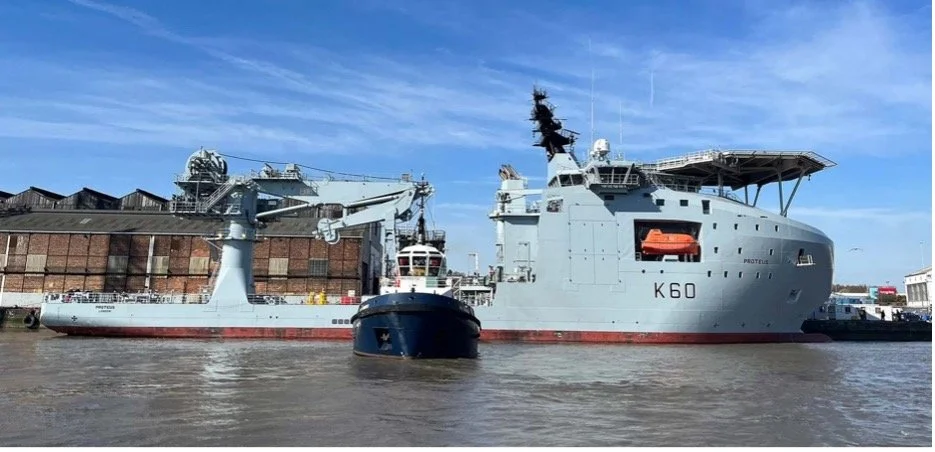
Image courtesy of Montreuxconvention via Wikimedia Commons, ©2023. Some rights reserved.
RUSI offer recommendations for intelligence analysts in the UK to innovate through advanced software and by adopting data-analytics and machine learning tools to enable faster and more effective insight into grey zone attacks. Meaning, the gap between ambiguous evidence surrounding such incursions and actionable decisions should be closed via advanced intelligence techniques and focused leadership. Giving intelligence leaders the autonomy to make key decisions when events present themselves is a vital key to combating increasing Russian subversion.
In the UK’s grey zone report, cyber vulnerabilities are found, especially, in private organizations contracted by the MOD. Due to the increasing reliance on private businesses for defence, and the lack of cyber resilience in their systems, cyber security is required on a society-wide scale – something the new Cyber Security and Resilience Bill will, hopefully, address. But, given how vast an undertaking whole-society-cyber-resilience would be, compromises will have to be made.
As indicated by the RAND Europe report, deterrence is a key force to dissuade grey zone warfare. Simply put, the reason why Russia is harassing the UK in such a way is because they can. So, with more capabilities to penalize Russian aggression - such as the deployment of special forces, counter-cyber-attacks, and drones or missile strikes on Russian proxies – Britain can gain ground in the grey war by doing what Russia will not expect – fighting back. This is not to advocate for WW3, but to offer measures of layered punitive responses by which the UK government could and should rely upon as further grey zone events unfold. However, this would also mean a better allocation of resources to the UK armed forces. Moreover, enhancing the capabilities of Britain’s forward deployed forces, whether by land or sea, would enable stronger deterrence against grey zone threats.
On a graver note, the British military as a whole is worryingly underrecruited, and its capabilities, or lack thereof, leave some with alarming reports of looming military disaster. While Britain’s military cyber capabilities are being acknowledged, the 77th brigade – tasked with cyber operations – is underrecruited, and cyber army career pathways are slow. So, there is no wonder why Putin feels he can poke the UK and get away with it.
Of course, some of these recommendations are more aspirational than others. But, the one thing that could bring resilience and security to the UK’s current predicament is a spreading of awareness that the grey zone looms, and many are at risk. Merely the acknowledgement that the Russian state is set on subverting British society could see significant changes begin, for the betterment of civilian life.
What does the future have in store?
An air of pessimism emanates from the grey zone. With mounting threats and failing conventional forces, the UK is in a tricky situation, to say the least. Can the MOD allocate enough resources to fend off Russia’s shadow fleet? Or bridge the intelligence-analysis gap with new innovations and autonomy? And cyber-safeguards for British businesses, especially defence contractors? Even natural disasters have the potential to be weaponized by the UK’s adversaries. This is a tall order indeed.
What remains is this. The UK has allies, especially those in Europe who are enduring similar grey incursions. Cooperation is key to bettering national security, not just internal reform and investment. And, while British society runs the risk of being plunged into the shadows – whether by power station sabotage or undersea cable cutting – the history of British resilience is all-pervading.
The grey zone is not a Russian monopoly; it is the reality of the post-cold-war world order. Britain must be competitive in this new age of subversive coercion; complacency and comfort have no place here. With such a need for defiance, and a ‘whole society approach’ as the Strategic Defence Review harkens, merely increasing defence spending is not enough to dissuade foreign harassment. National services deserve due attention.
The potential for future catastrophe is preventable. Hope, then, is needed. But action is necessary. And as someone once said, we should not worry about action, but only inaction.
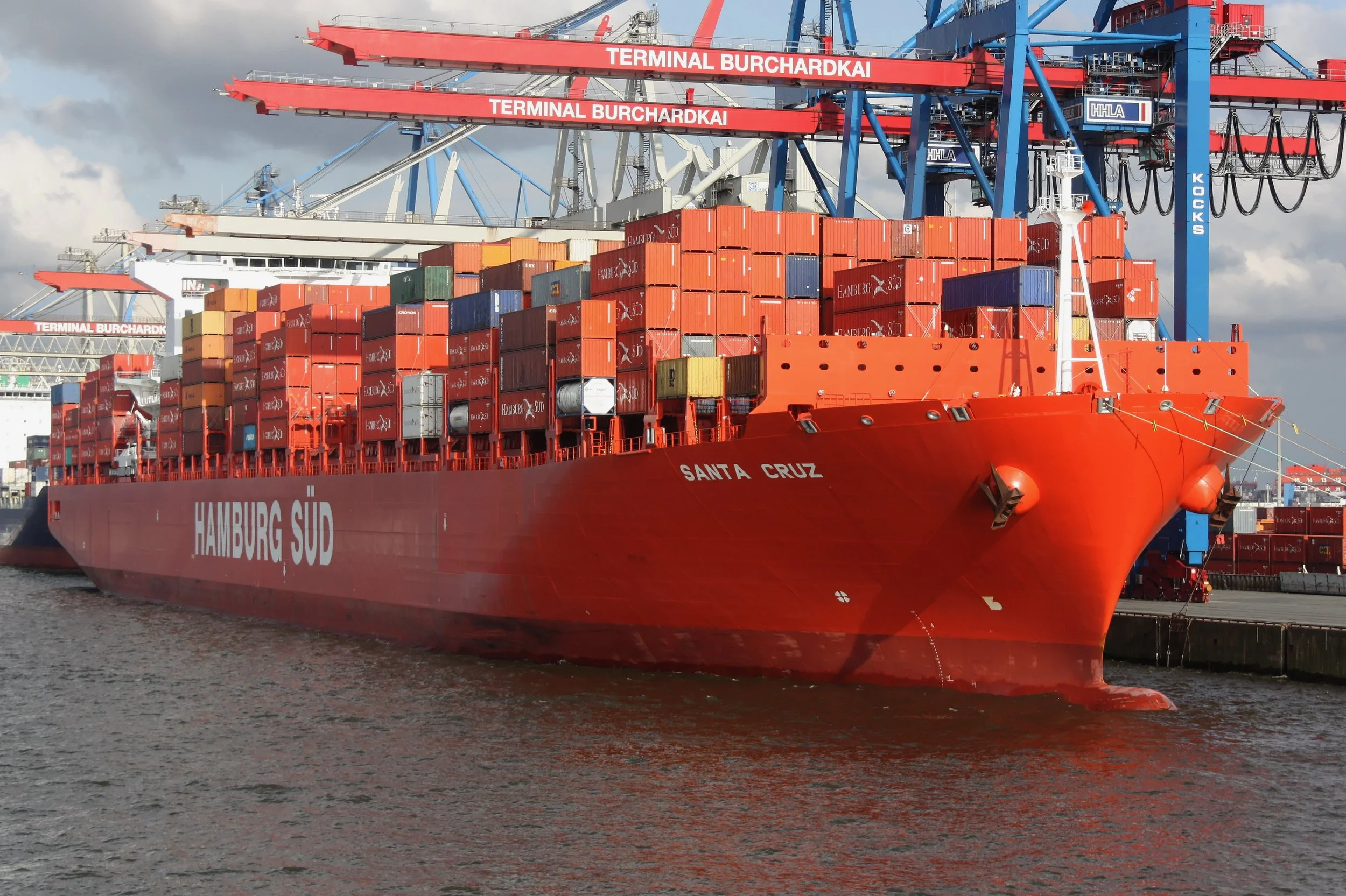
Image courtesy of Los Paseos from Earth via Wikimedia Commons, ©2019. Some rights reserved.
The views and opinions expressed in this article are those of the author and do not necessarily reflect those of the wider St Andrews Foreign Affairs Review team.