How Clothing Functions as a Medium of Resistance
What we wear is never innocent; it tells the world who we are, what we believe, and who we oppose. Clothing functions as a language and a statement, shaping perceptions and conveying messages that words alone often cannot. It can signal identity, allegiance, or dissent, ranging from subtle gestures of defiance to overt political declarations. In cultural theory, clothing is understood not merely as a practical or aesthetic choice but as a system of signs and symbolic exchange – a non‑verbal language through which individuals and groups communicate identity, values, and social positioning within specific cultural and political contexts. Clothing is therefore both personal and collective: it allows individuals to assert agency and make meaning even within constraining social or political circumstances, and it transforms private choices into public statements that can challenge norms, mark solidarity, and make visible what would otherwise remain silenced.
Few contemporary contexts demonstrate this more clearly than Iran.
In September 2022, the death of Mahsa Amini after her arrest for allegedly violating hijab regulations ignited nationwide protests under the slogan “Women, Life, Freedom.” In Iran, it is the absence – rather than the presence – of a garment that has emerged as a significant act of civil disobedience. Yet to understand why removing the hijab has become such a potent political gesture, it is crucial to distinguish between the hijab as a freely chosen expression of faith and the hijab as a state mandate.
For many Muslim women, veiling represents devotion, spiritual commitment, cultural belonging, and personal identity. The protests in Iran do not reject that choice. What they contest is the transformation of a religious practice into a legal obligation – the removal of the freedom to decide. Since the Islamic Republic institutionalised compulsory veiling in the years following the 1979 Revolution, women’s bodies have functioned as visible sites of ideological enforcement, where what may once have been a personal expression of belief becomes a compulsory marker of political loyalty in which compliance signals allegiance and deviation invites punishment.
For decades, long prior to the Women, Life, Freedom movement, many Iranian women have negotiated these constraints through varying forms of everyday sartorial adjustment. From bright hijab colours to experimenting with cuts, fabrics, and layering, such modifications subtly test the boundaries of enforcement. Yet outright hijab removals and burnings operate as the most visible and politically resonant symbol form of resistance: an embodied refusal of a system that governs women through surveillance, discipline, and fear. Every decision to step outside without a hijab exists as a radical act of self-determination – a public assertion of autonomy in a society that has long sought to dictate women’s lives. Following Foucault, such resistance does not escape power but exposes its operation, transforming the norms that regulate the body into sites of contestation.
What the Women, Life, Freedom movement has altered is not the existence of the demand for the restoration of women’s authority over their own bodies and beliefs, but its scale, visibility, and political legibility. Acts that were once negotiated privately or within small circles have been intensified and collectivised, transforming individual decisions about dress into a shared and recognisable political language. As resistance becomes more visible through flash mobs and bonfires, it also becomes less isolating, drawing strength from forms of mutual recognition that link younger women’s defiance to longer histories of struggle, as underlined by Manijeh, a 62-year-old clothing designer who draws parallels between the current movement and the role of dress as a site of political meaning seen in her youth. In this way, clothing functions not only as an immediate assertion of autonomy but as a connective medium through which resistance is sustained, transmitted, and reinterpreted over time.
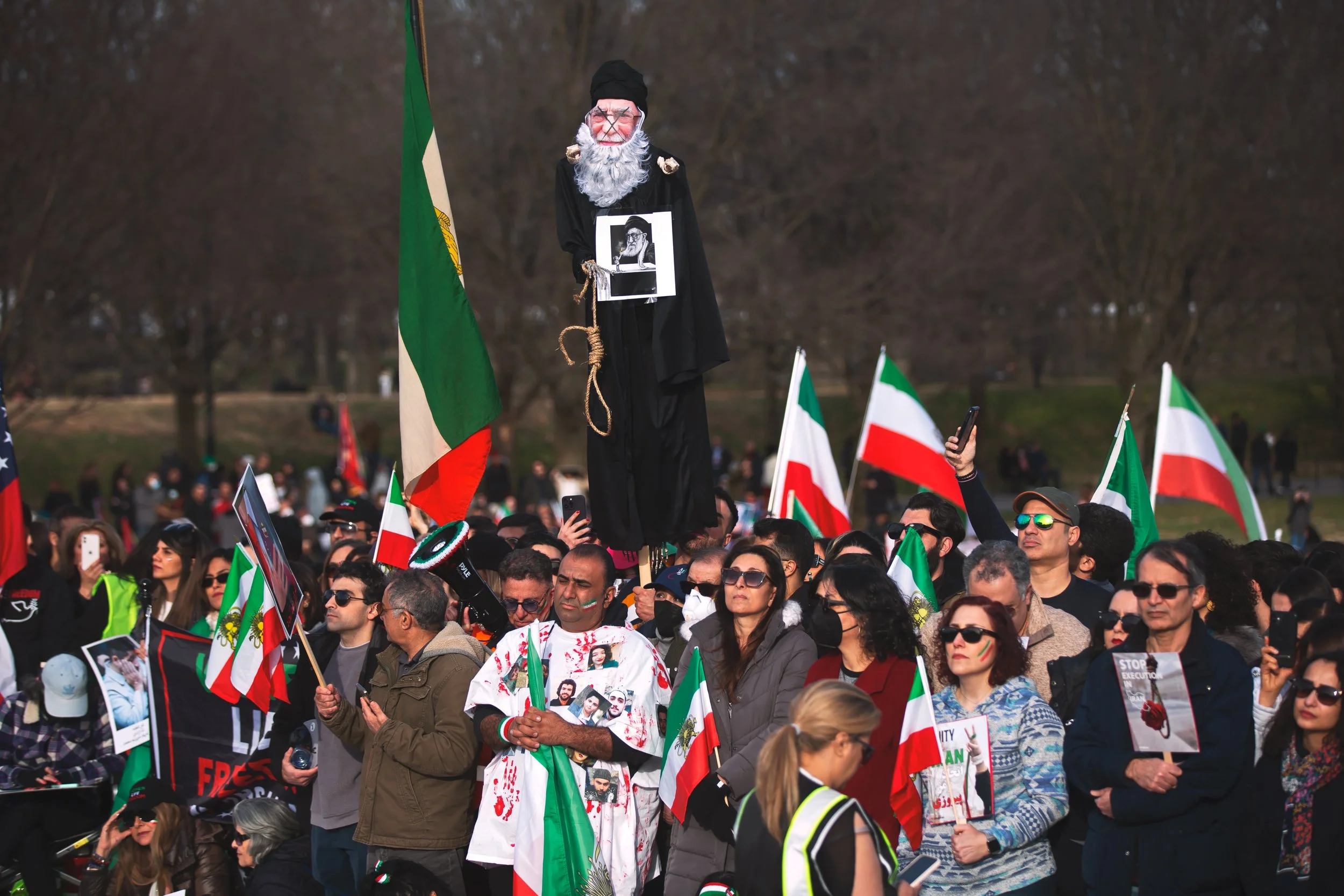
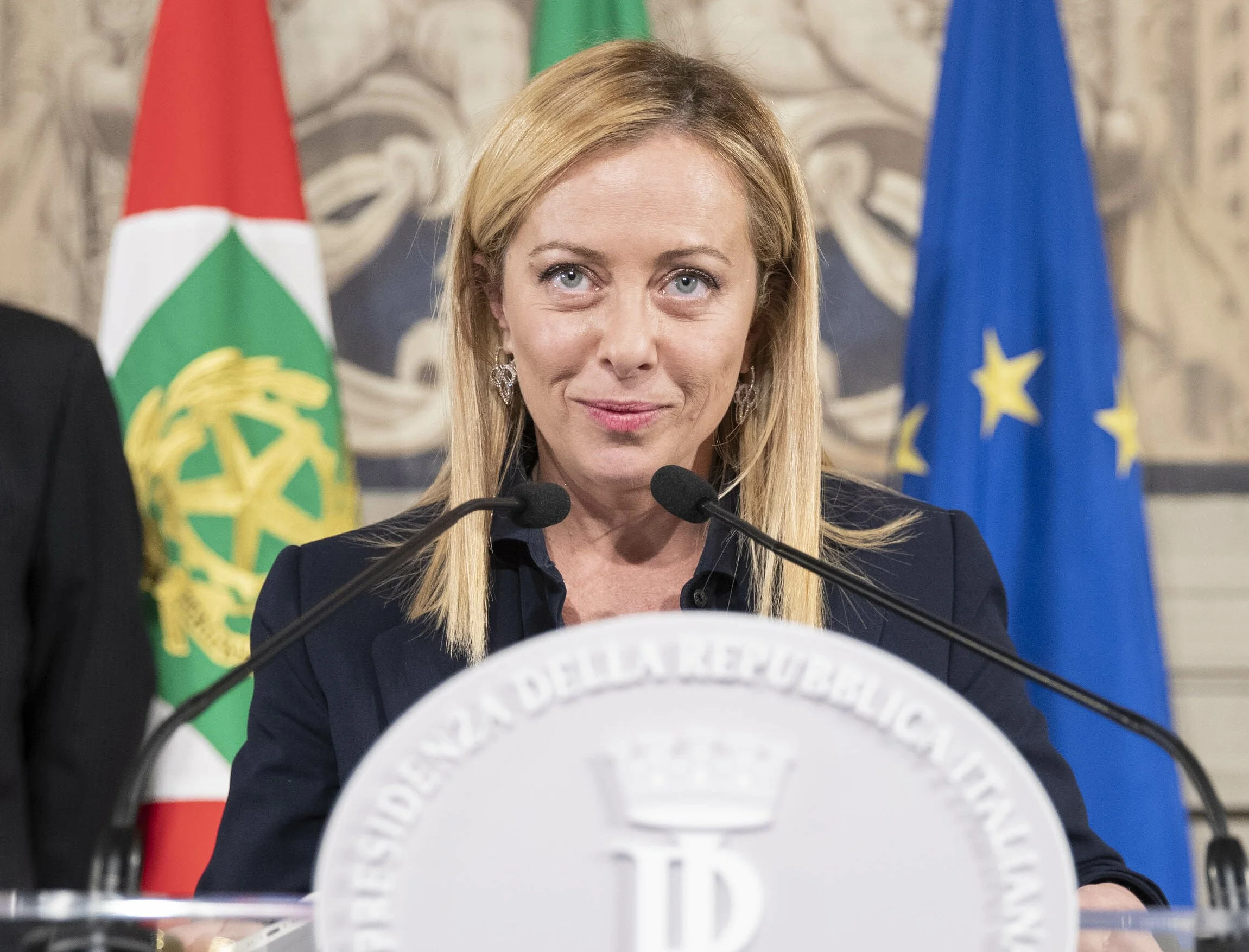
Image courtesy of Johnny Silvercloud via Wikimedia Commons, ©2023. Some rights reserved.
Crucially, Iranian women articulate this resistance not as abstract symbolism but as lived courage negotiated in daily life. Maryam, a high school student in Khuzestan, describes a transformation not only in clothing but in collective consciousness, a shift that is not only political but also psychological: “Before the movement, only certain people had the courage to appear in public without hijab… but after what happened to Mahsa, public support for women increased. People’s courage increased and their clothing, as well as their thoughts, changed.” Her reflection underscores how visibility generates momentum; as resistance becomes more widespread, it reshapes both public perception and personal confidence. Mina, a chemistry student, similarly frames hijab removal as a broader reclaiming of agency, particularly for women raised in conservative households: “Many girls who live in traditional and religious families, like I did have now found the courage to make decisions about their own lives and come out from under the shadow of coercion and orders.” These testimonies reveal that clothing choices in this context do not merely reflect resistance – they produce it, enabling shifts in identity and outlook.
This defiance is especially potent because of the risks it entails. Women who remove their hijab face fines, arrest, imprisonment, social exclusion, and increasingly sophisticated digital surveillance. Yet rather than silencing dissent, these measures expose the fragility of the state’s authority, which relies on constant enforcement to sustain legitimacy. As scholars have noted, the hijab’s centrality to the Islamic Republic makes it uniquely vulnerable: loosening control would constitute an admission of ideological failure. By refusing compulsory veiling, women exploit this vulnerability, turning their bodies into sites of political pressure that the state cannot fully neutralise.
At its core, the struggle surrounding the hijab in Iran is not about fabric but about authority – about who has the right to define women’s bodies, beliefs, and public presence. The Women, Life, Freedom movement has intensified the visibility of a persistent demand for autonomy that precedes 2022 but has now become collective, legible, and impossible to ignore. In this context, clothing operates not as material expression but as embodied politics. By transforming compulsory veiling into a site of contestation, Iranian women reveal how regulation produces resistance, and how visibility reshapes fear into solidarity. Their actions do not reject faith, rather they insist on choice. In doing so, they demonstrate that when the state seeks to control the body, clothing must no longer be worn but wielded.
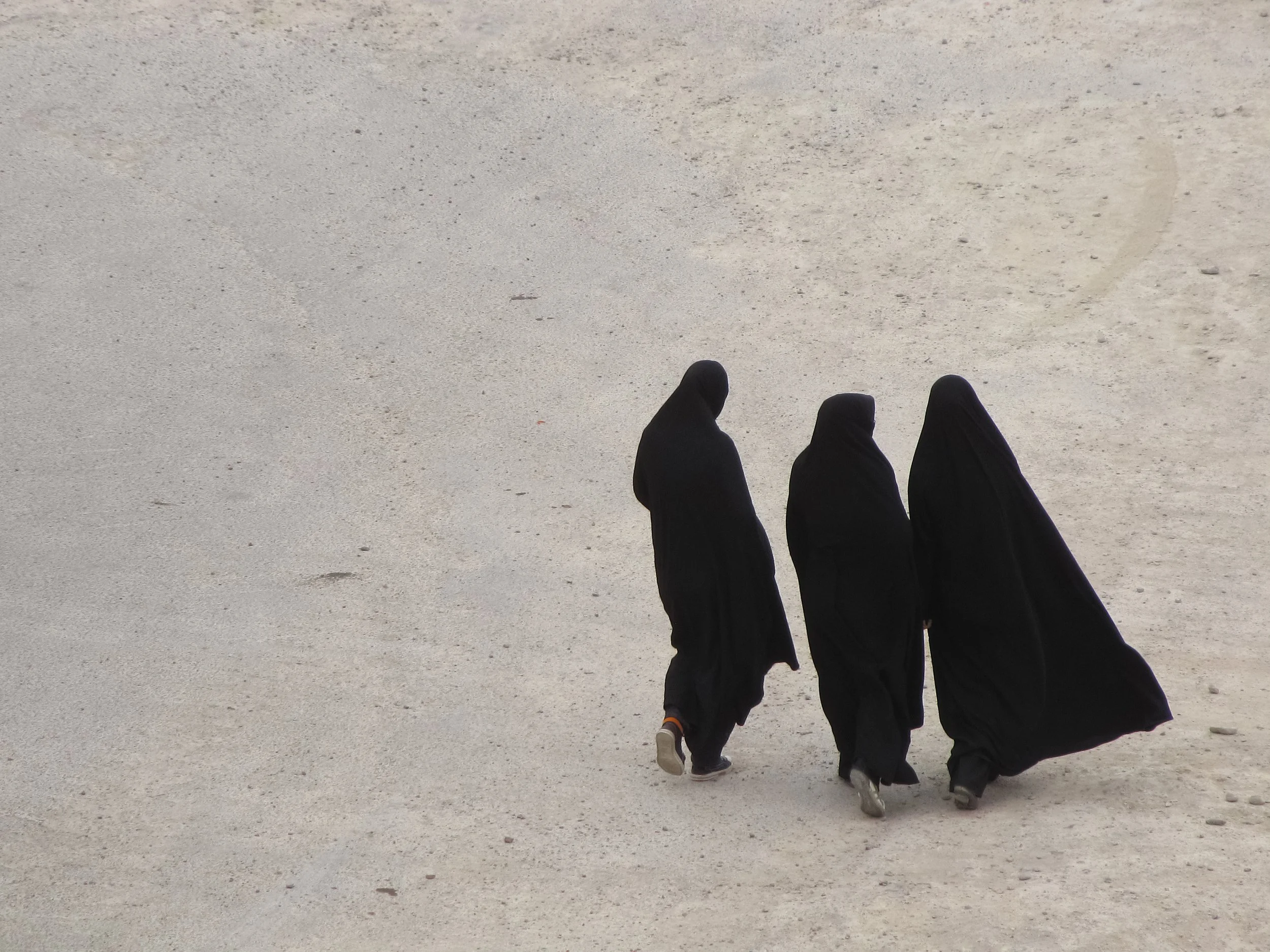
Image courtesy of Mostafa Meraji via Wikimedia Commons, ©2009. Some rights reserved.
The views and opinions expressed in this article are those of the author and do not necessarily reflect those of the wider St Andrews Foreign Affairs Review team.