Civil War Crisis: A look into Yemen's Humanitarian Crisis
The war in Yemen is a case that often is not talked about enough, especially by the Western media. Situated on the southernmost section of the Arabian Peninsula, this nation has been in a devastating civil war since 2014, between the Saudi-backed Yemeni government and the Iran-backed Houthi rebel group. The past decade of fighting has caused a mass humanitarian crisis, with millions of civilians getting caught in the crossfire, with most of the affected being children with acute malnutrition. The healthcare system is massively overwhelmed, with feeding centers all over the country trying to meet the needs of thousands. In fact, some health centers are even being forced to turn away pregnant women and vulnerable children to focus on treating trauma patients. In 2022, the UN-brokered a ceasefire, which was ended by the recent attacks, brought a period of relative calm to Yemen. However, rising tensions in the regions, particularly involving the conflicts in Israel and Iran, Yemen has been further drawn into wider regional conflicts.
In July 2026, the Houthis pushed an offensive towards the south of the country, sparking a new wave of fighting. Currently, the fighting has remained between the Yemeni military and Houthi militants, who have attempted to start a coastal push towards the Red Sea to secure the shipping route. Officials from both Riyadh and the United States have recognized that this pushback comes as a spillover from the recent the war in Iran, as the Houthis are now recognized as being the regimes most formidable allies since Hezbollah’s degradation by Israeli forces in the last few years. The Houthi forces have mobilized exceptionally quickly, which has been recognized as a critical reason for the success in the current push from the south. This recognition is fundamental in the escalation as it allows international actors to have a wider vision of some targets that could face repercussions for their actions in Yemen.
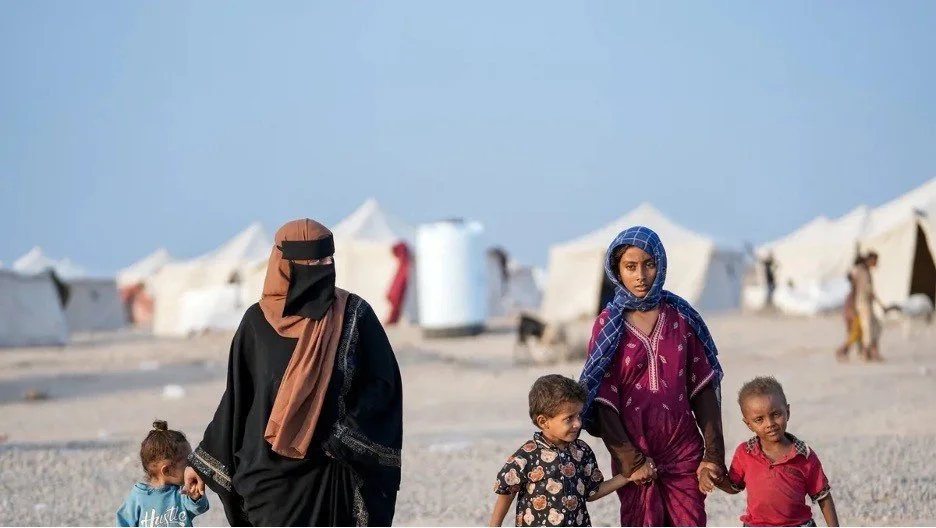
The civil war that has riddled Yemen for over a decade can be viewed as many things a proxy war between Iran and Saudi Arabia, a civil war between groups vying for greater governmental power or a militant organization pushing a nation into destabilization. The one thing that cannot be denied is that this conflict, like so many others, has largely impacted non-combatants. Recent waves of refugees into Djibouti, most of which are entire families that have had to cross the dangerous waters of the Bab el-Mandeb Strait. this is not the first time many have crossed back into the country. In 2015, millions were displaced with some returning as the crisis eased. The citizens of Djibouti are being recognized for welcoming them quite openly, with some people currently serving as host families for refugees. However, there is increasing anxiety about the aid capacity that remains in the country, with many in the United Nations High Commissioner for Refugees (UNHCR) beginning to worry about the amount of shelter, relief items, food, water, and health care that is available. While international actors have played a strong supporting role in keeping the refugee system in Djibouti running, many within the UNHCR office are calling for an increase in international support. The in-country mission is only 15% funded, and there are expectations for there to be a rapid increase in emergency humanitarian aid in the region. Within Yemen, Abdusattor Esoev, the Chief of Mission for the UN migration agency, has stated that “our resources are very, very, very limited and our stocks will be depleted very soon.” This statement, made on September 18th, 2026, demonstrates the urgency of the crisis, while most international organizations worry about the severity of the fighting; millions of innocent people are suffering another round of a war that seems endless. Most headlines about the war focus on mobilization or the implications for major actors, with only some news sources taking the time to look at the ongoing humanitarian crisis. While Yemen is not the only country that is facing a humanitarian crisis, the world’s energy crisis is adding additional pressure for even major organizations such as the UN to receive aid to help those in need. The World Food Programme (WFP) also terminated humanitarian aid in northern areas of Yemen as Houthi militia members detained workers. These detentions caused the programme to halt multiple humanitarian aid missions in the country, as they saw no guarantee of safety for their workers. The necessary closing of WFP missions has put an increased strain on the refugee programs in Djibouti as it has prompted millions more to make the difficult decision to leave the country because of a lack of resources.
As this piece previously discussed, the sudden mobilization and increase in violent attacks have displaced, yet again, millions of citizens from their homes all over Yemen, with thousands of families choosing to brave the trip over to Djibouti. Between the complexities of the conflict and the unpredictability of the security levels in the country, one can only, unfortunately, expect the humanitarian crisis to worsen. Refugees seeking help in Djibouti are expected to increase as the crisis worsens. Although, this puts a higher level of strain on Djibouti’s government, providing international aid in a war zone is exceptionally difficult, especially if the missions at hand are threatened by the escalation of violence seen in the crisis.
Image courtesy of Reuters via Al Jazeera, ©2026. Some rights reserved .
The views and opinions expressed in this article are those of the author and do not necessarily reflect those of the wider St Andrews Foreign Affairs Review team.