Backtracking on Brexit? The UK’s renewed interest in an EU alliance
As the Iran War causes an energy crisis and global political instability, world leaders have to re-evaluate their alliances. With growing concerns about the Strait of Hormuz and the United States’s physical force approach, the United Kingdom has found itself in a tight spot, facing pressure to join the war while enduring economic slowdown. Furthermore, the UK suffers from a lack of strong international support after leaving the EU and no longer seeing its alliance with the U.S. as strong; Donald Trump recently told the UK to “get your own oil” after Prime Minister Keir Starmer refused to join the conflict in Iran.
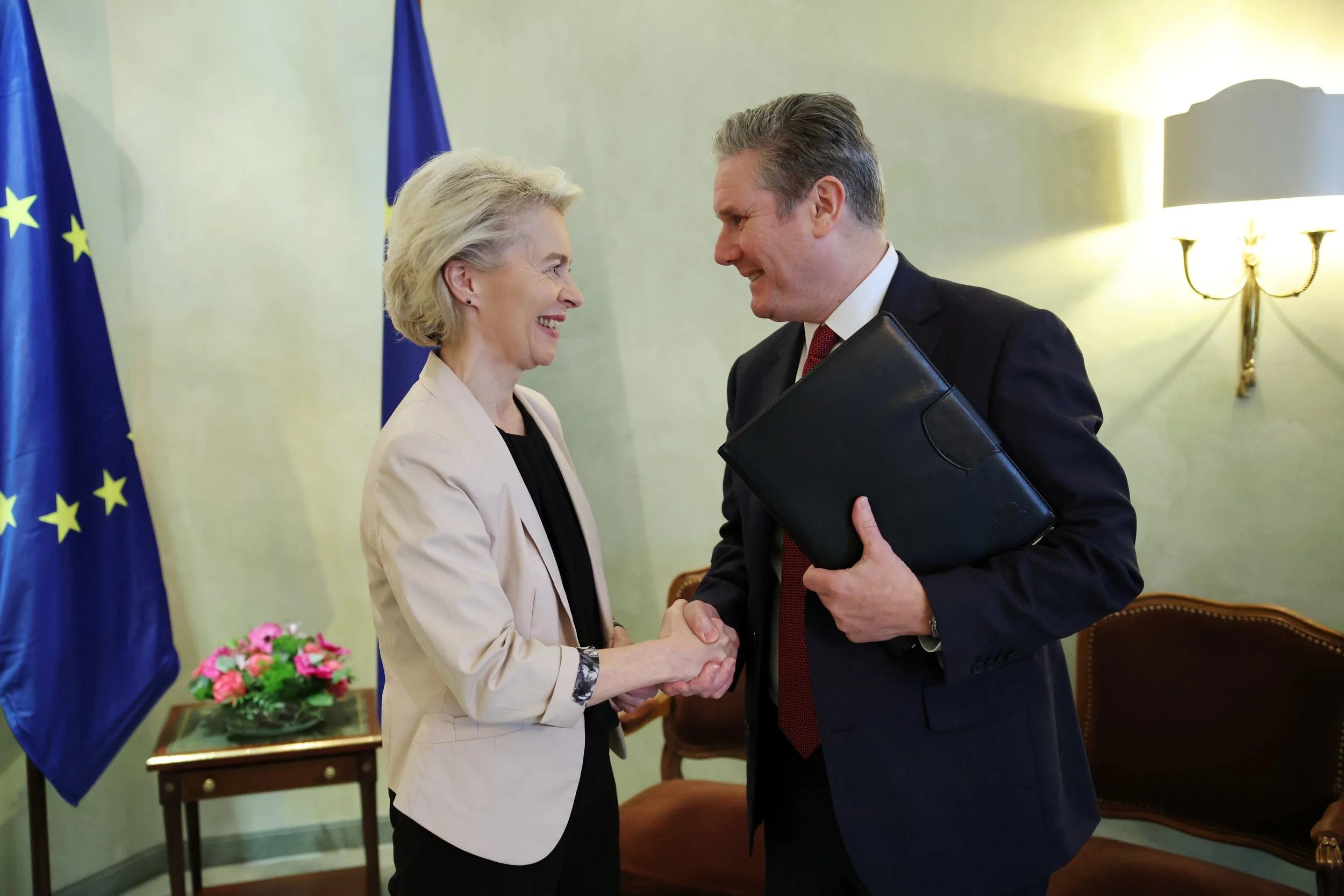
The new strategy then, as Starmer outlined during his address on the 1st of April, is to draw Britain closer to its European allies, suggesting a “Swiss style” arrangement that would allow the UK to maintain independent trade while still benefiting from better agreements in Europe such as open borders. But critics question how this would function because the EU is the one that holds most of the power. European losses regarding Brexit are not enough to convince leaders to let Britain renegotiate better terms. This was demonstrated clearly by the high price of the UK’s Erasmus+ deal with Europe which cost around £570 million for the first year. The UK has to find stable alliances and expand its international influence, and such an agreement could help with labour shortages, increase food exports, and potentially boost GDP. It is worth noting, however, that due to its lack of bargaining power, Britain might have to invest a lot for potentially lesser economic returns.
The price of this agreement is not the only problem. Starmer will have to tread carefully, as even though only 29% of respondents said that they would vote for Brexit now, both Reform UK and the Conservative Party disagree with Starmer’s decision to work more closely with the EU. Furthermore, the question of sovereignty remains. Leaving the EU meant reclaiming independence for Britain; reneging on that, even in a ‘Swiss-like’ arrangement, would mean accepting EU regulations without the right to give input. However, the geopolitical landscape has shifted dramatically. The UK’s weak points have been exposed by the Iran War, placing a strain on its current energy and trading capabilities. If aligning with the United States is no longer a plausible option, the European Union seems like a solid choice for support. Economic pressures have shown that smoother trade between Britain and Europe, as well as other forms of cooperation like labour exchanges, might help ease these struggles.
In order to gain support, the Labour government must work to frame this new approach not as a reversal of Brexit, but as a new strategic decision in response to the UK’s geopolitical situation. Not only will Starmer have to work on the outside approach on how Britain is seen by the rest of the world, but the internal disconnect between the UK population and its political parties makes the process even more challenging. Making a rash decision could mean possible repercussions in which the general population disagrees with its government. The Labour government has to find a fine balance in which to portray the UK as a united front, finding better alignment with the European Union while still retaining some of their independence.
Starmer will have to navigate this carefully, balancing domestic political pressure with external economic uncertainty. As tensions increase, is it important for Starmer to place the UK in a strategic position without causing national conflict. He must consider the risk of looking inconsistent or undermining the original referendum results. Even though full membership is not the issue being discussed, Britain’s partial re-alignment with the EU could come with both short-term benefits and costs. As the UK cannot rely on traditional alliances, it must adapt to a world where cooperation is increasingly important.
Image courtesy of Christophe Licoppe via Wikimedia Commons, ©2024. Some rights reserved.
The views and opinions expressed in this article are those of the author and do not necessarily reflect those of the wider St Andrews Foreign Affairs Review team.