The Future of Foreign Policy in a World Turning Towards State-Capitalism
Around the world, governments are increasingly wading into the unpredictable venture of state capitalism. As a tactic most notoriously used by authoritarian regimes such as Russia and China, European countries as well as the United States have, surprisingly, turned to using models of state capitalism to further their foreign policy objectives. From coercive pressure that influences industry behavior to threats of tariffs in exchange for investment pledges, discretionary and transactional relationships between governments and industry around the world are interfering with private markets to control dynamics with their foreign competitors. The fear, and reality, that this not-so-subtle tactic could crystallize to affect the future of corporate behavior and influence market concentration is a path few economies would willingly follow. The new shift in how governments are viewing their relationships with industry will make it increasingly difficult for their successors to abandon this new playbook that could become progressively more intertwined with the future of foreign policy.
Models of state capitalism take varying forms and are used differently depending on the government in question. One feature of these tactics is to integrate domestic firms into geopolitical strategies, notably a strategy used by the Chinese government. China relies on the use of granting massive subsidies to industries that will tip the scales in the Asian economy’s favor as it drives prices down and leaves others in the market challenged to compete. This ‘patriotic capitalism’, as it is sometimes referred to, crowns these industries as “champions and instruments of state power”, as the foreign policy goals mesh with the economic behavior of the state. The United States has recently employed similar strategies into their own policies. Last fall, President Trump referred to Lockheed Martin, a producer of military and aircraft systems, as “an arm of the US government”, as the Department of Defense is the company’s largest customer. This relationship and rhetoric used by the White House could shift the scales in an economy where businesses are competing for political favor instead of striving for profit maximization and efficiency.
The downside from industry cozying up to government is strikingly obvious in the case of MP Materials and their 2025 deal with the U.S. government to secure supply of its resources. As the biggest shareholder in the country’s single operational rare-earth mine, the U.S. government’s deal comes from a desire to limit their dependency on these imports as China holds a near total control of the industry, posing a potential national security risk for the U.S. government. With MP Materials utilizing Chinese refining plants, and in efforts to align with the White House agreement, the company ceased their sales to China, resulting in a massive decline in revenue. While trade policy and government interests have frequently intersected historically, recent events have seen a distortion of corporate behavior at the whims of their government that is not always predictable in markets.
Administrations have also taken the route of pursuing industry deals that will increase government revenue. Business expectations to share their profits with their government in exchange for market access or protection is a featured trait of Russia’s economy. This more transactional model has been used as the U.S. government targeted Apple, simply because the company is “too large or too profitable not to chip in.” The U.S. government’s threat of tariffs on the smartphone company resulted in an investment pledge of $600bn, showcasing an unprecedented avenue for governments to generate revenue and bolster their economy.
The discretionary state capitalism models we are witnessing today have evolved into governments intervening with their competitors’ businesses. In September of last year, the Dutch government overtook control of the Netherlands-based but Chinese owned semiconductor company, Nexperia. This move resulted in a retaliatory halting of some exports to the EU, leading China to regain total control over their business in November as a “gesture of goodwill” from the Dutch government. The initial seizure came as The Netherlands feared the company would siphon off intellectual property and production to China. This overt interference into multinational corporations by one state will only cause others to follow their lead as this strategy of foreign policy could be applied in the event of any global development.
We have already witnessed the havoc that ensues when market-economy states try their hand in state capitalism. In the United States, during the oil crisis that ensued during the Yom Kippur War in the 1970s, President Nixon’s price control on oil led to a detrimental shortage across the nation. This benign example of government interfering with the workings of a free-market system, as Nixon tried to combat inflation through a means of market intrusion, only illuminates the potential dangers of these practices being adopted as a tool of foreign policy.
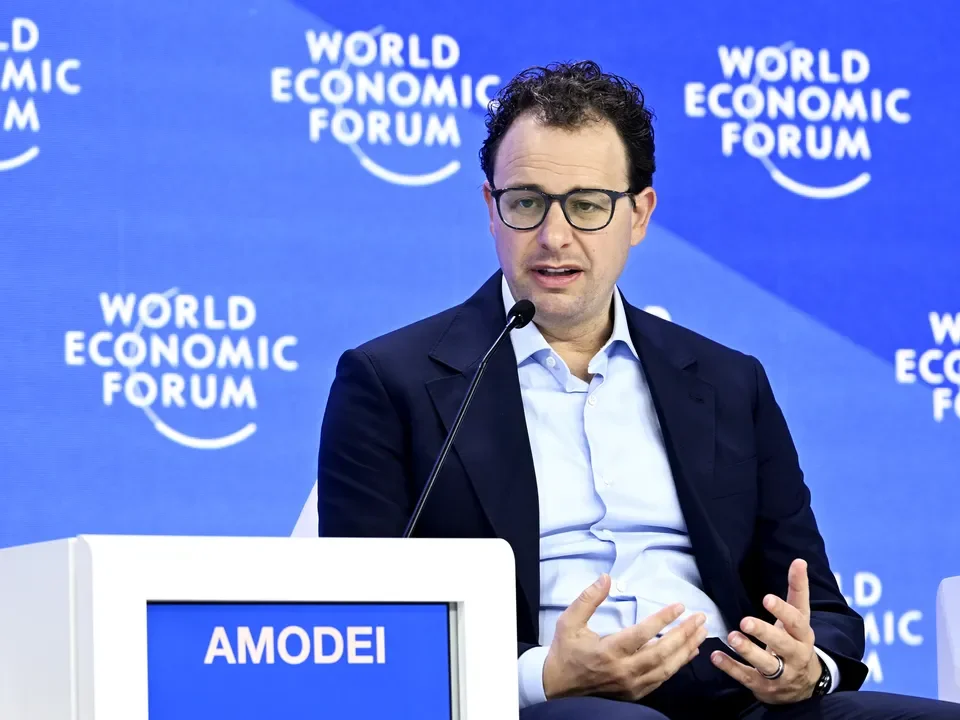
Today, companies in the AI technology sector are becoming increasingly relevant to government. The recent battle between the U.S. government and the Silicon Valley tech company, Anthropic, is shining a light on the prevalence corporations are now having in matters of war. Regardless of their near total integration in areas of government software capabilities, the Department of Defense labeled Anthropic as a supply chain risk following the company’s disproval of their software’s role in the Maduro (Venezuelan President) operation in Caracas earlier this year. The contractual questions from the tech firm on the proper adherence to their agreement left the U.S. government abandoning the company as a core government contractor. The likely political alignment from Anthropic officials bolstered this dramatic divorce between the company and the White House. With the reality that political affiliation tensions continue to strain the country, it poses the potential that a closeness between industry and government could become beneficial, or relevant, only amongst those with a mutual political alignment. In these extreme cases of national security, as in times of war, the White House considered implementing the Defense Production Act, which would have forced Anthropic to grant military access to its technology, ignoring the outlined conditions of their contract.
Nearshoring and nationalization of industry as a means of national security is a frequent strategy of governments to limit external reliance in times of crisis, as seen in the example of the EU’s shift from a reliance on Russian oil amidst the war in Ukraine. Are the new complexities with the AI race, or the present political schism in the U.S., interfering with this commonplace economic strategy? Who will call the shots in these new partnerships as foreign policy matters are at hand: business or government?
Economic strong-arming through these state capitalist models has become a frequently utilized tool by governments against foreign adversaries, as well as their allies. Trump’s tariff war last year saw a total disregard of alliances, specifically with the EU despite being historically one of the United States’ closest partners. Last month, in a similar fashion, Trump threatened a 25% tariff on European countries—including Denmark, Germany, France, and the UK—until the US is permitted to purchase Greenland. This obvious blend of U.S. foreign policy objectives with economic aggression could reach unprecedented limits as the U.S. has already demonstrated the extent to which they will interfere with industry to meet their goals. The blatant abandonment of traditional free-market operations around the globe is increasing the possibility that multinational corporations could become a new instrument of foreign policy on an international stage.
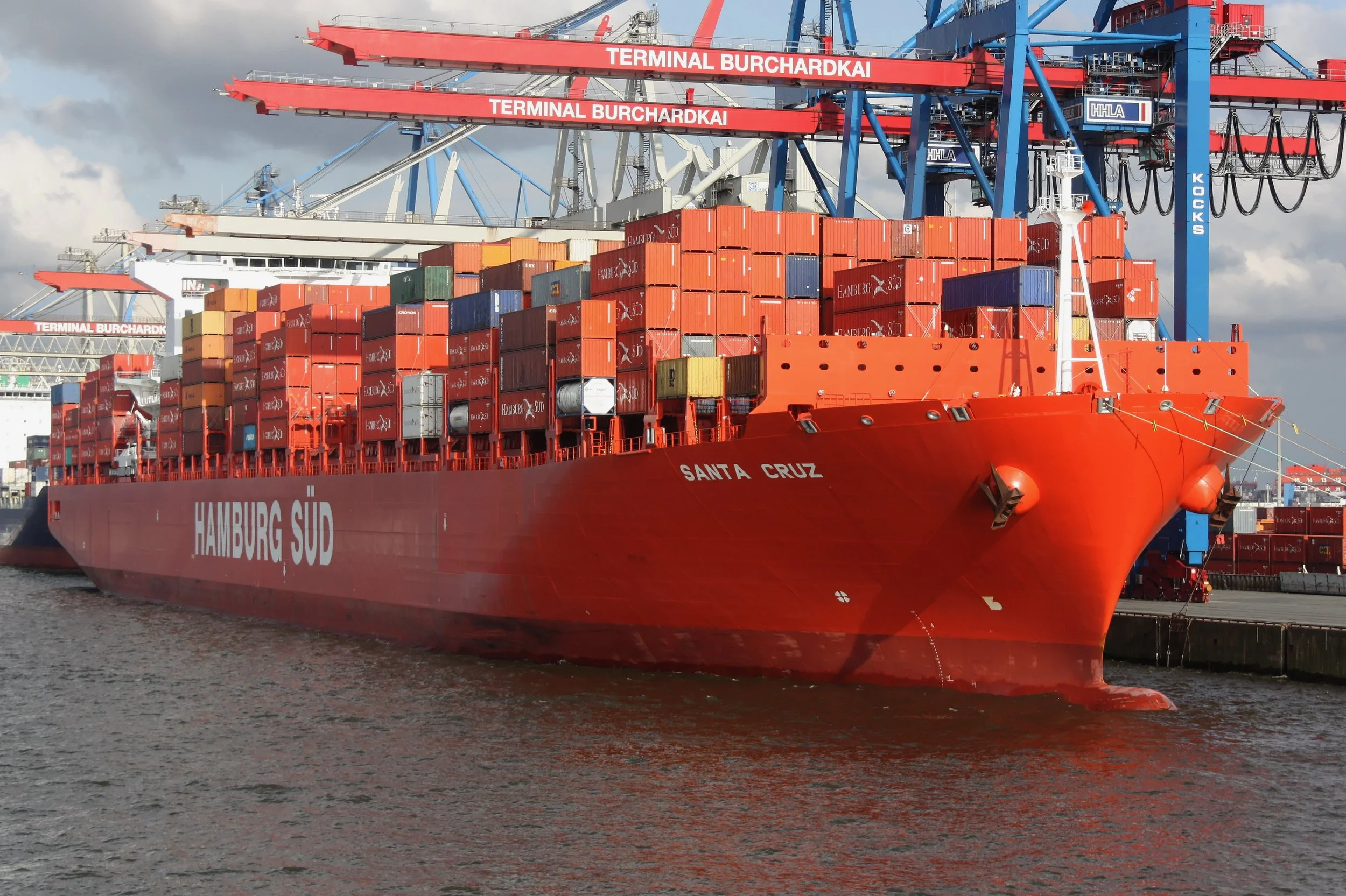
Now that economic maneuverings have proven effective tools for U.S. policy, despite their risks, any potential international event could result in an expansion of this strategy. The developing relationship between business and government risks not only officials dictating the behavior of these firms, but conversely, companies interfering with the decisions of a government. Current global developments, such as the White House increasingly calling upon European Allies in the on-going U.S.-Israel war with Iran, could be the next playing field for this strategy. EU countries have yet to respond to the calls from the White House for support in protecting the Iranian controlled Strait of Hormuz. Might the U.S. government resort to aggressive economic interventions towards their allies to force their hand in the growing military conflict in the Middle East? These tactics could motivate other governments to follow down this path, with the risk of economic battles overshadowing traditional diplomatic methods.
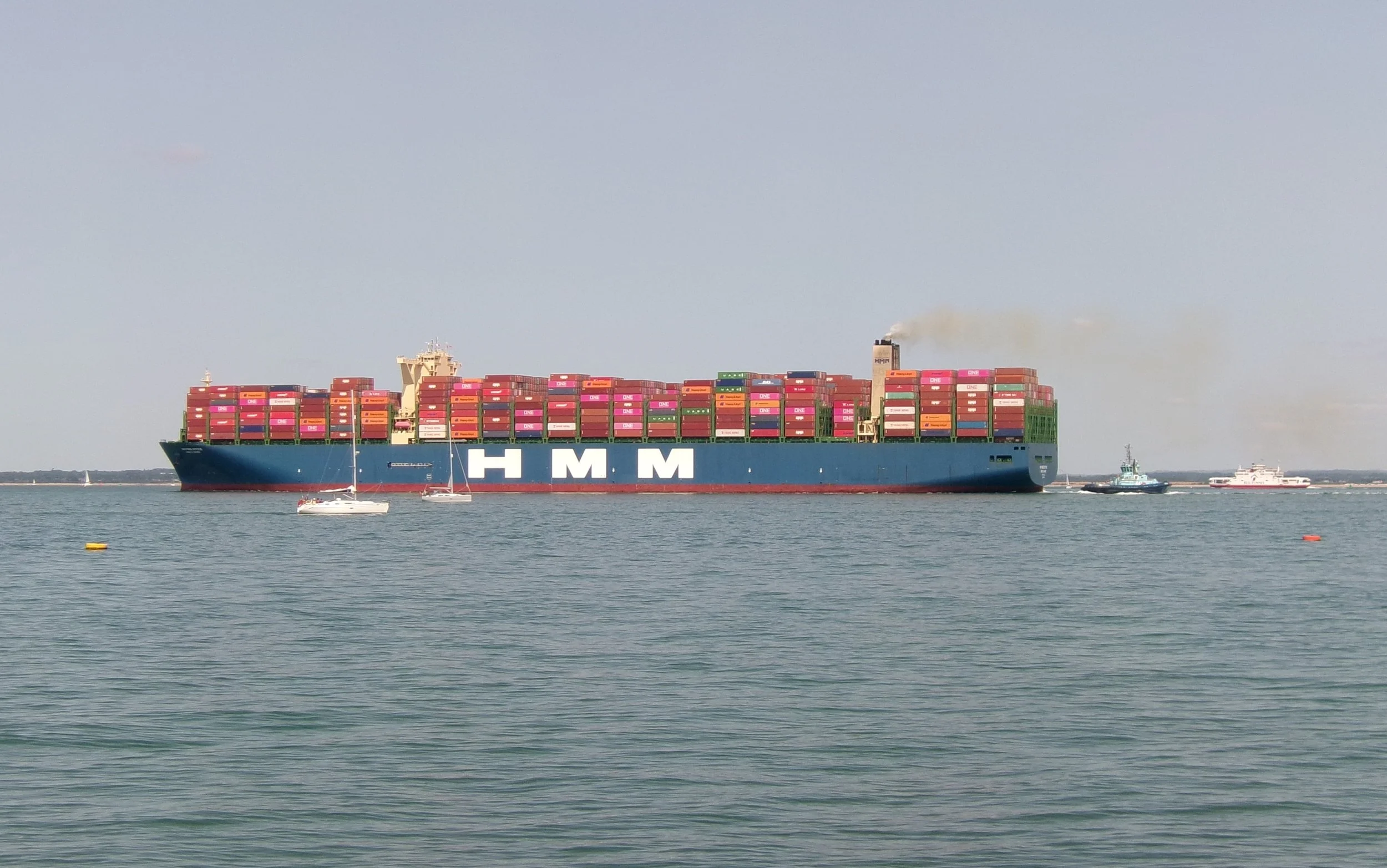
Image courtesy of ITookSomePhotos via Wikimedia Commons, ©2024. Some rights reserved.
The views and opinions expressed in this article are those of the author and do not necessarily reflect those of the wider St Andrews Foreign Affairs Review team.