Iran, the Strait of Hormuz, and the Case for Accelerating Energy Transition
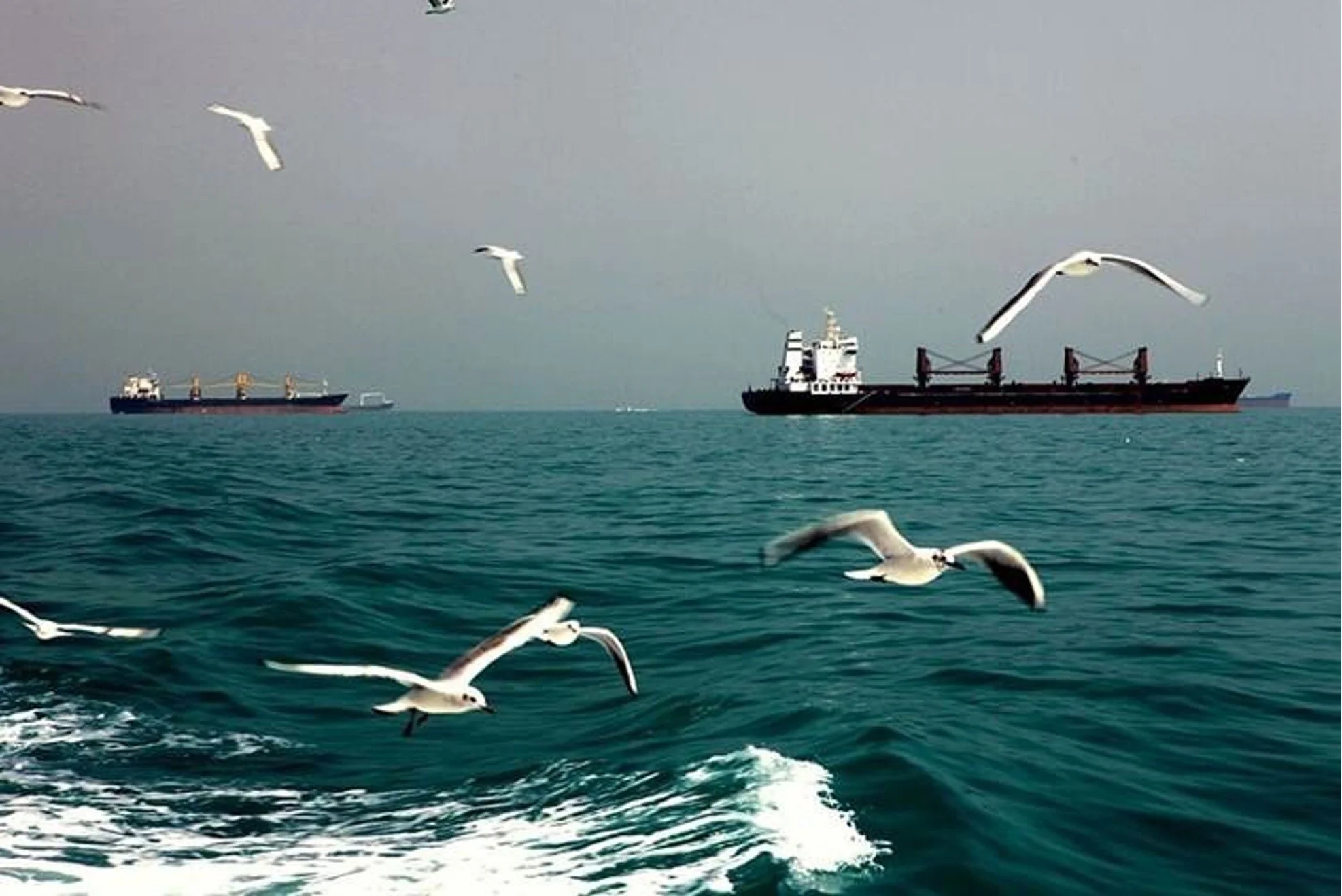
Oil prices are dominating headlines and it’s not hard to see why. Global oil markets are currently experiencing some of the highest levels of volatility on record. This rise has been driven by geopolitical events ranging from the ongoing war in Iran to the continued fallout of the Ukraine conflict. Together, these crises have disrupted supply chains and injected deep uncertainty into global energy markets, sending crude oil above $100 per barrel. Moreover, with the Strait of Hormuz now under blockade from the US, fears of further supply disruptions are intensifying, raising the prospect of prolonged instability across global energy markets.
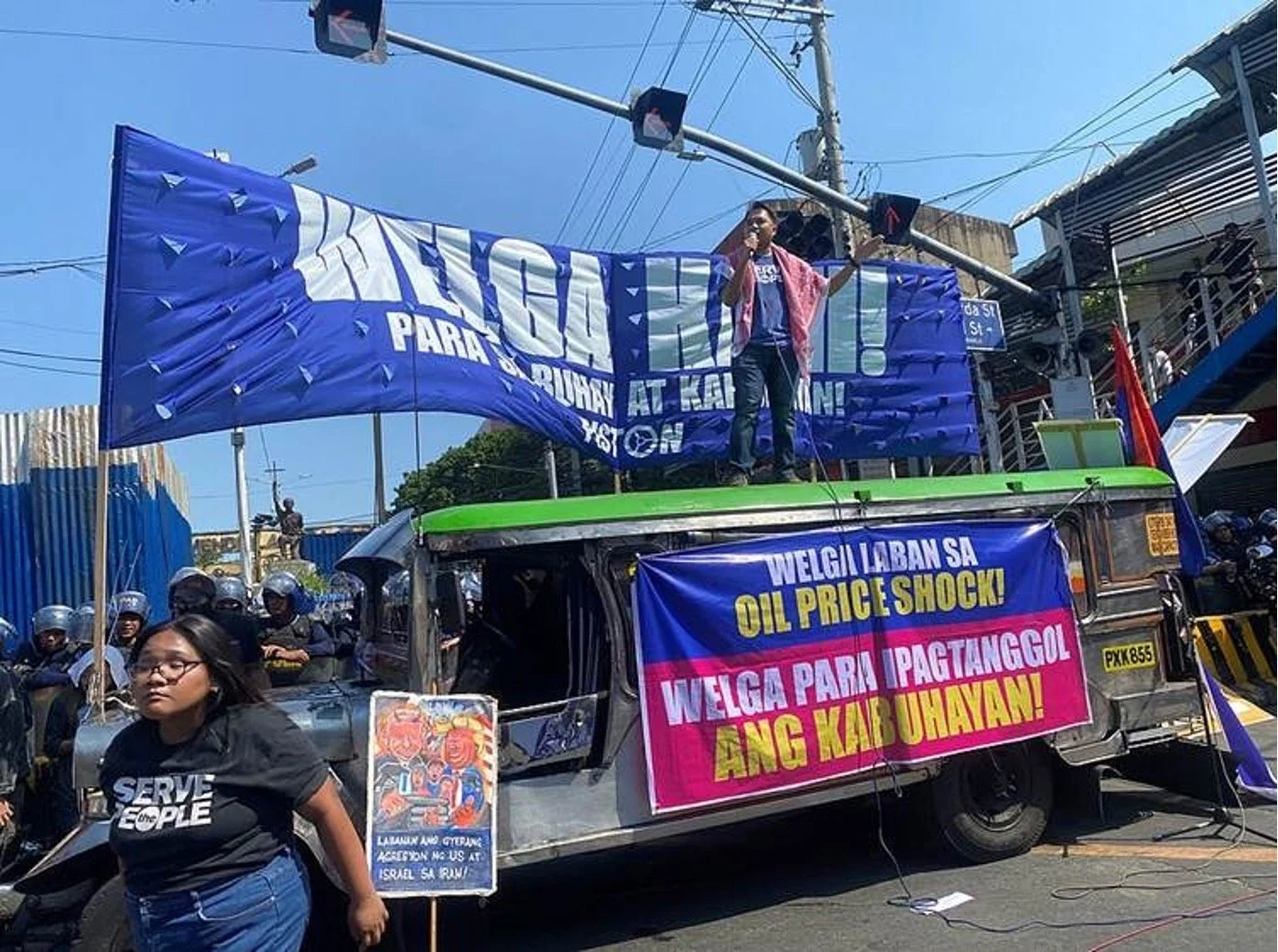
These rising energy prices are felt everywhere, but developing countries are particularly vulnerable. Many of these countries heavily depend on imported fuels and have limited refining capacity, meaning they cannot easily shield domestic consumers from global price shocks.
Rising fuel costs push up transport, food and electricity prices, draining foreign exchange reserves and forcing governments into painful policy choices. The Lowy Institute has warned that higher oil and LNG prices are slowing growth, and inflating costs in countries like Indonesia, the Philippines, and Bangladesh. In Africa, even oil-exporting nations like Nigeria or Angola are struggling. Weak refining sectors and subsidy burdens often mean domestic consumers still feel the pinch.
Iran has capitalized on this by letting through ships from “friendly” countries to transit while restricting others, effectively using access to the Strait as geopolitical leverage. The Philippines which was the first nation to declare a national energy emergency has made diplomatic arrangements with Iran to allow Philippine-flagged vessels and energy shipments through. This selective access highlights how oil markets are not neutral economic systems, but deeply political spaces shaped by power, diplomacy, and strategic interests.
Recent spikes in global oil prices provide a stark reminder of the danger of the world’s dependency on fossil fuels and reveals a deeper issue: many developing nations are locked into fossil‑fuel systems which they do not control. While these patterns of vulnerability might just be seen as merely a logistical problem, they rather reflect deeper structural and political patterns. The impacts you see in developing countries are not just the result of high prices, but of how global energy markets are organised and who has power within them.
Thinkers such as Polanyi provide an explanation for why oil markets are acting so volatile. Economics often presents the economy as dominating society and disconnected from it, a phenomenon known as disembeddedness. Polanyi argues the opposite, that markets are created, shaped and sustained by political decisions, legal rules, and institutional arrangements. Importantly, when markets are treated as a disembedded entity they begin to function like external discipline mechanisms that society must adjust to rather than control. He identified the gold standard as the clearest example of what happens when markets are disembedded. Gold was used as a way for the market to self-regulate, an external discipline mechanism. By fixing currencies to gold, countries were forced into deflation, unemployment and austerity to defend an external rule.
Oil now plays a similar role to gold, particularly as a way to discipline society in favour of the economy. Economies are tied to the price of a barrel of oil and as a result when it spikes, inflation rises, foreign‑exchange reserves come under pressure, and governments are pushed into painful adjustments, especially in import‑dependent developing countries.
Looking at Polanyi through a colonial lens helps explain why the oil shocks are felt unevenly. Colonial powers organised economies in Africa and Asia to be disembedded, to fit the needs of external markets rather than local communities. After independence, many of these structures remained in place and were reinforced by later rounds of economic liberalisation. That structure still shapes systems, such as energy, which is why oil‑price swings continue to hit import‑dependent countries hardest, forcing them to adjust to global markets rather than the other way around.
This vulnerability is further reinforced by geopolitical competition. While Iran has selectively allowed passage to friendly states, the United States has used its blockade not only to pressure Tehran but also to shape global energy flows more broadly. With a significant share of the world’s oil passing through the Strait of Hormuz, control over maritime access provides powerful leverage over global markets. As a result, developing economies find themselves caught between competing powers, where access to energy becomes contingent not only on market dynamics but on geopolitical loyalty.
If developing countries are able to decouple from oil, their economies be less governed by external market fluctuations and will be better able to align economic realities with their own needs.
Via Kjerrimyr Rodrigo Andrés via Wikimedia Commons ©2026. Some rights reserved.
Taking an environmental lens, this also helps explain why nature and the planet is exploited. Oil’s very existence as a “resource” is taken for granted: something simply there to be extracted, burned and sold. Polanyi once again gives us a framework to explain why this happens. Nature, which he describes as another word for land, is a fictitious commodity, one never produced to be for sale. Yet, nature is absorbed into the market as if it were an ordinary good. This means nature and the climate is no longer seen as something to protect or to live in balance with but rather an economic input that is used to increase growth.
By treating the environment as a commodity this distorts how society relates to the planet. Treating nature as a commodity breaks apart complex ecosystems into isolated fragments, forests into timber, rivers into water rights, the atmosphere into carbon units. This process, described as the commodification of nature, has opened the path to its destruction, because once ecosystems are reframed as private property and profit‑generating assets, market logic pushes them toward overuse and depletion.
Oil is one of the clearest products of this way of thinking. It is treated as if it were endlessly available, while the environmental damage it causes is largely ignored by the very markets that profit from it. Burning oil doesn’t just produce energy, it also erodes the natural systems that make economic life possible. Clean air, stable climates, and functioning ecosystems are all forms of what economists call “natural capital”, “yet their loss is rarely counted in the price of a barrel of oil. As a result, fossil fuels often appear cheaper than they really are,but this is an illusion. Once these natural systems are pushed beyond certain limits, (known as planetary boundaries) they cannot simply be rebuilt; no level of investment can fully replace a stable climate or restore ecosystems at scale.
This all goes to explain why the shift to renewable energy is needed, from an environmental, economic and political perspective. It’s not the be all, end all to solving deeply rooted structural issue, but, does provide a mechanism out the oil trap. Unlike oil, wind and sun are endless resources that doesn’t pollute the natural systems while producing energy.
This is particularly important for developing countries because it increases energy security by cutting exposure to global price shocks and reducing the trade risks that come with oil dependence. Additionally, switching to renewable energy means that these countries are less vulnerable to price global energy shock like with what we are seeing in The Strait of Hormuz. Switching to renewable energy can be seen as reclaiming sovereignty, by building energy systems around local, renewable resources countries can strengthening their autonomy over their energy.
Nowhere are the impacts of this shift clearer than in countries such as Uruguay. The country once suffered frequent blackouts and power cuts. Now, Uruguay produces nearly 99% of its electricity from renewable sources. The country was able to achieve this through strong regulatory frameworks that enabled a strong private and public sector partnership. It has bolstered their energy sovereignty, reduced commercial vulnerability, and ensured long-term stability meaning Uruguay can ride out shocks to the energy market far better than other states. Importantly, energy justice was at the heart of this transition, with policies designed to ensure that the benefits of cheaper and more stable energy were widely shared, rather than concentrated among a small number of actors. However, these gains are not guaranteed. Sustaining them will require continued government oversight to ensure the transition remains fair and its benefits are widely shared.
Taken together, the volatility of oil markets, now sharply exposed through disruptions and selective access in the Strait of Hormuz, reveals a deeper structural reality. This narrow chokepoint is not just a transit route, but a reminder that the global energy system rests on strategically fragile geographies where political power can reshape economic flows overnight. In this sense, oil operates not simply as a commodity, but as a mechanism of discipline shaped by geopolitical leverage, colonial patterns of dependence and growing environmental constraint.
As long as economies remain tied to fossil fuels, they remain exposed to shocks they cannot control, whether from blockades, restricted passage through Hormuz, or sudden price spikes triggered by instability in global supply chains. By contrast, a shift toward renewable energy offers the possibility of greater stability, resilience and economic autonomy.
Ultimately, the choice is between remaining locked into a system repeatedly destabilised by chokepoints like the Strait of Hormuz, or moving toward one grounded in resilience, sovereignty and long-term development. In that light, the question facing developing economies becomes unavoidable: can they afford not to accelerate the green transition?