Cairo’s Balancing Act: U.S Military Aid and China’s Growing Influence in Egypt
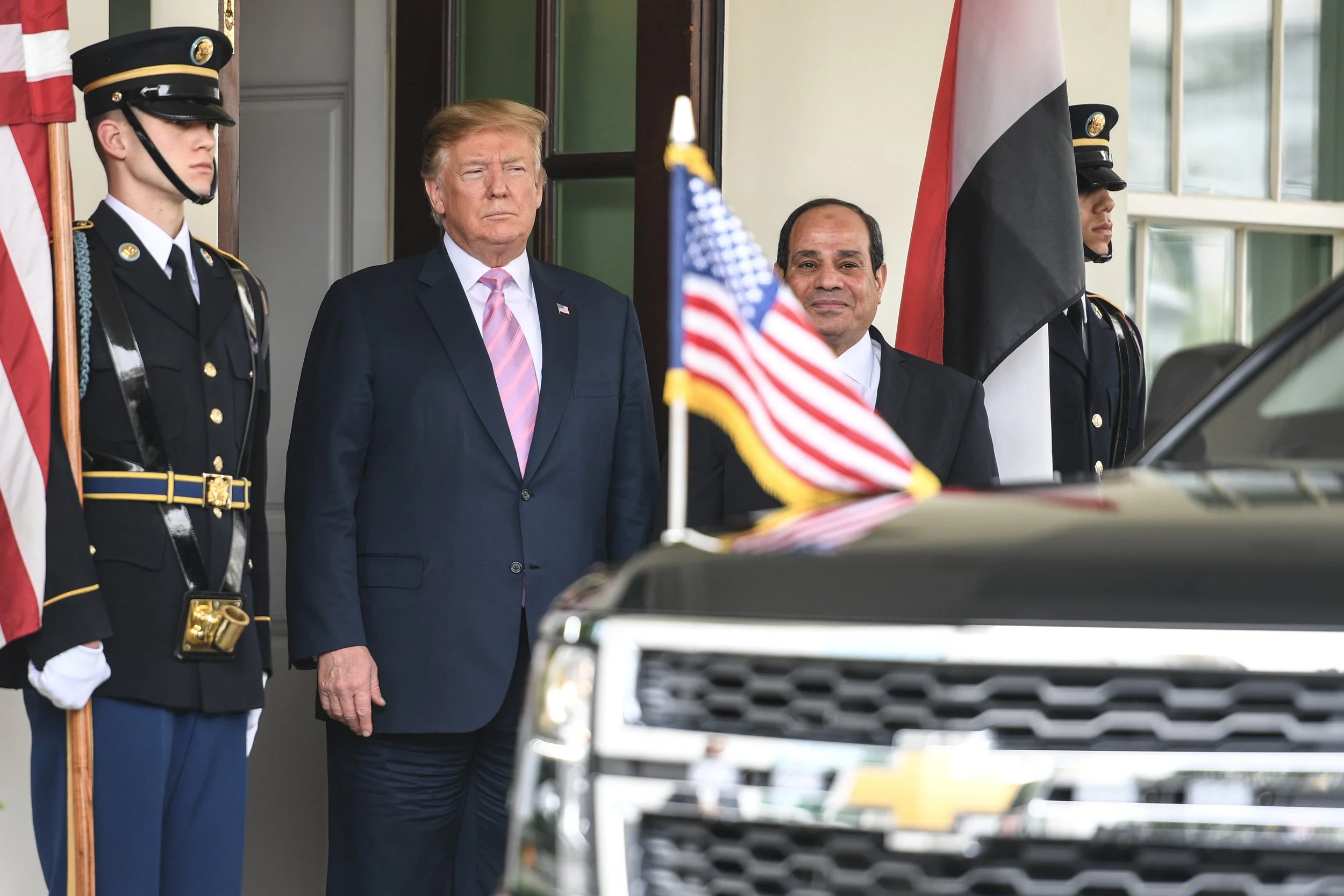
On 1 October 2026, Secretary of State Marco Rubio announced that the United States would waive a restriction on nearly $320 million in military aid for Egypt. The funding had previously been withheld during the Biden administration after U.S officials raised concerns over various reports of human rights abuses under Egyptian President Abdel Fattah al-Sisi. In a letter addressed to a number of congressional committees, obtained by Reuters but not released to the public, the State Department and Secretary Rubio noted that exercising the waiver was ‘essential for the US-Egypt relationship and U.S national security priorities’. Secretary Rubio all but spelled out the following: the U.S wants Cairo on its side.
The United States’ decision to release hundreds of millions of dollars worth of funding back to Cairo could not come at a more critical time. Not only are tensions high between the U.S and Middle East, but the waiver also coincides directly with a renewed effort from China to engage in diplomacy in the region. In early September, Chinese President Xi Jinping made a visit to Egypt for the first time in a decade. The three day diplomatic agenda included meetings with President el-Sisi to discuss matters of economic, military, and technological importance. The visit also marked the anniversary of 70 years of diplomatic relations between the two nations. President Xi was received at the airport by President al-Sisi himself; in formal minutes published from the meeting, President Xi called on major global powers to respect the sovereignty and territorial integrity of regional countries. While indirect, the comment can be seen as a call out to the United States as war efforts continue throughout the Middle East.
A month prior to the visit, Chinese multinational tech-giant Huawei Technologies Co. made a bid to build AI data centres in Cairo for the Egyptian government. The bid included thousands of AI chips for an infrastructure package which would develop military, surveillance, and biometric technology within the country. Soon after, the U.S began preparing a counter-bid, and the State Department noted that Egypt was one of dozens of countries with which they were discussing U.S-based technology leadership. While not official, Bloomberg noted that U.S based tech giants such as Microsoft have been contacted to participate in preparing a formal counter offer.
Beyond the technological jargon, the events surrounding President Xi’s visit to Cairo demonstrate attempts to employ a new kind of diplomacy. Not quite hard or soft power, it combines an increased diplomatic presence alongside the developing bidding war for military and technological dominance. The combination of the two suggests Egypt is looking to reorient its role within the Middle East, much to the chagrin of the United States.
At the same time, the renewed funding and the events surrounding it, reflect a now familiar tale for the American role in the international system. The United States appears to be balancing between preserving strategic partnerships and pushing its current agenda. Beyond the immediate demands of regional security, Washington has another reason to maintain its relationship with Cairo. As China expands its diplomatic, economic, and technological presence across the Middle East, Egypt has become an increasingly important arena in the competition between the two great powers. The State Department’s decision raises a broader question: is Washington reinforcing an established partnership, or responding to the possibility that its influence in the region is beginning to erode?
The United States and Egypt have maintained close diplomatic ties since the North African country signed the Camp David Accords in 1979, establishing peace with Israel; formal relations go as far back as 1922, when Egypt gained nominal independence from the United Kingdom. Egypt has received nearly $1.3 billion (£984,000) in U.S military aid annually ever since. The U.S has long described Egypt as an important country for national security interests based on its geography, demography, and diplomatic posture as well as its control of the Suez Canal. The partnership, once strong, now appears more complicated than ever.
U.S handling of international alliances is subject to frequent change; the country's foreign policy is known to swing from one extreme to another as different parties rise and fall from power. In the case of Egypt, however, this swing is not only forceful but unexpected. An archived post on the United States Embassy Cairo website described the two nations as mutually committed to ‘bilateral economic relations, international involvement, and human rights’. That same page, now maintained by the Trump administration, has wiped all mention of these objectives besides ‘economic opportunity and regional security’. Recall that the funding recently released back to Egypt was previously withheld for perceived violations of human rights; that is not to say that the alleged violations have stopped. On the same day the funding was released, six journalists in Cairo were arrested on the grounds of ‘spreading misinformation;. Their employer, Matsaddash, serves a disinformation monitor and investigative journalism platform. The six have not been heard from or seen since. Given these circumstances, it is hard to view a waiver from the State Department as anything but a bribe.
The US-China-Egypt power play creates new questions regarding the development of international affairs, the meaning of diplomacy, and the role of two great powers in an ever-changing environment. As wars wage on and the United States remains subordinate to the will of a less than typical leader, will the global hegemon remain? Or is domestic tension within the United States creating the perfect opening for the dominance of China? Only time will tell.
Image courtesy of Spc. Dana Clarke U.S. Army via Wikimedia Commons, ©2019. Some rights reserved.
The views and opinions expressed in this article are those of the author and do not necessarily reflect those of the wider St Andrews Foreign Affairs Review team.